Today: 9:00AM - 8:00PM

Blog

All Auburn Kia Dealer Kia Model Features Sunset Kia of Auburn Service Auburn Kia Service 2027 Kia Telluride Auburn Used Cars Kia SUVs
Kia Battery Service in Auburn, WA

Why Won't My Kia Start Even Though the Lights Come On? Common Battery, Starter, and Electrical Problems Explained

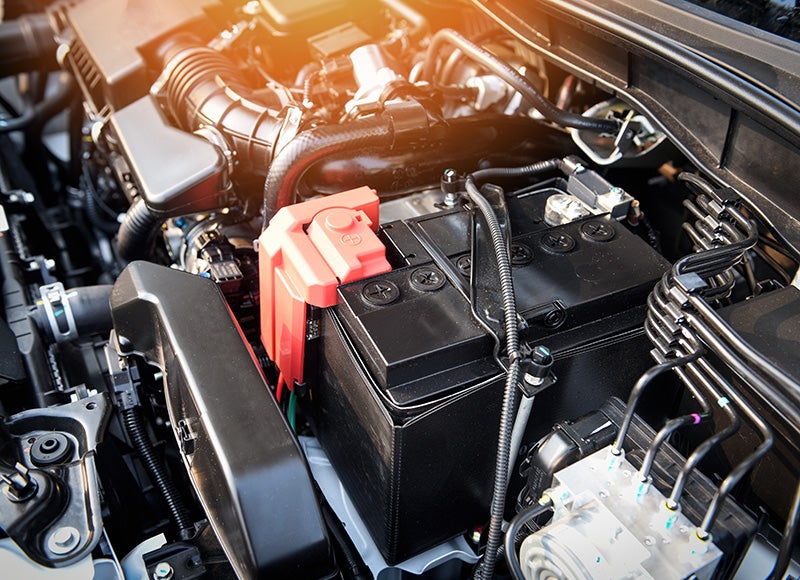
If your Kia won't start but the lights come on, the problem may still be related to the battery. Your headlights, dashboard lights, and radio need much less electrical power than the starter motor requires to turn over an engine. A weak 12-volt battery may have enough energy to operate those accessories but not enough to start your vehicle. However, starter motor problems, corroded battery terminals, and electrical system faults can cause similar symptoms. Schedule Kia Battery Service Explore Kia Service Options For drivers around Auburn, Kent, Pacific, and Algona, discovering that your Kia won't start can disrupt your commute or daily routine. Cooler temperatures and damp conditions in Western Washington may also make existing battery or electrical problems more noticeable. Understanding the difference between clicking sounds, slow cranking, and a complete no-start condition can help you determine when professional diagnostics are needed. Quick Answer: Why Does My Kia Have Power but Won't Start? If your Kia's lights work but the engine won't start, possible causes include a weak 12-volt battery, loose or corroded battery connections, a failing starter motor, or another electrical problem. Rapid clicking often suggests insufficient electrical power, while a single click may point toward the starter or its circuit. If the engine turns over normally but doesn't start, the cause may involve fuel delivery, ignition, or engine management. A professional diagnosis is the most reliable way to identify the problem. Why Your Kia's Lights Can Work Even When the Battery Is Weak Your Kia's 12-volt electrical system supplies power to several components, including interior lighting, dashboard displays, and other accessories. In gasoline-powered vehicles, the battery also provides the substantial electrical current needed by the starter motor to crank the engine. This difference in power requirements explains why working headlights don't necessarily mean your battery is healthy. A battery may still have enough charge to illuminate the dashboard while lacking the ability to supply the higher current needed for engine starting. A battery can also show a seemingly normal voltage reading but perform poorly under load. This is why professional battery testing is more informative than simply checking whether your lights turn on. If your Kia starts slowly, makes clicking sounds, or requires repeated attempts, having the battery and starting system inspected may help prevent an unexpected breakdown. What Different Starting Sounds Can Tell You About Your Kia One of the most useful clues is what happens when you turn the key or press your Kia's start button. The sound doesn't provide a definite diagnosis, but it can help narrow down the possible causes. What You Notice Possible Causes Recommended Action Rapid clicking when starting Weak battery, poor battery connection, or insufficient electrical power Have the battery and connections tested One loud click but no cranking Starter motor, starter relay, or electrical connection problem Schedule starting-system diagnostics Engine cranks slowly Weak battery, poor electrical connections, or another starting-system issue Request battery and starter testing Lights work, but nothing happens Starter circuit, battery connection, ignition, or start authorization issue Check basic starting conditions and arrange diagnostics if unresolved Engine cranks normally but won't start Fuel delivery, ignition, sensors, or engine management issue Request professional engine diagnostics These symptoms are general guidelines for gasoline-powered vehicles. Hybrid and electric Kia models can have different starting procedures and may not make traditional engine-cranking sounds. Common Reasons Your Kia Won't Start Even Though the Lights Come On 1. A Weak or Discharged 12-Volt Battery A weak battery is one of the most common explanations for a Kia that has electrical power but struggles to start. Automotive batteries gradually lose their ability to store and deliver energy as they age. Frequent short trips, extended periods of inactivity, electrical accessories left running, and temperature changes can contribute to battery problems. Common symptoms of a weakening battery include: Slow or hesitant engine cranking. Rapid clicking during a start attempt. Dashboard lights dimming noticeably while attempting to start. Repeatedly needing a jump-start. Starting problems that become more frequent over time. Many conventional automotive batteries last approximately three to five years, although actual lifespan varies considerably. If your Kia's battery is getting older or showing these symptoms, a professional battery test can help determine whether replacement is needed. 2. Corroded or Loose Battery Terminals Even a battery with sufficient charge may be unable to start your Kia if electrical connections are loose, damaged, or heavily corroded. Battery terminal corrosion can sometimes appear as a white, blue, or greenish buildup around the connection points. Corrosion increases electrical resistance and may interfere with the flow of current required for starting. Loose battery cables or poor ground connections can produce similar symptoms. Your dashboard may illuminate normally, yet the starter may receive insufficient power when you attempt to start the engine. If you notice visible corrosion or damaged wiring, have the connections inspected. Avoid working on battery terminals or cables unless you have the appropriate knowledge, equipment, and vehicle-specific instructions. 3. A Faulty Starter Motor or Starter Relay The starter motor is responsible for turning the engine during the starting process in conventional gasoline-powered vehicles. If the starter fails, the engine may not crank even when the battery has sufficient power. A single clicking sound followed by silence can sometimes point toward a starter motor or starter circuit issue. However, poor wiring connections and battery problems may cause similar sounds. Starter-related problems can also be intermittent. Your Kia may start normally on one occasion but fail to crank on another. Because starter diagnosis may involve specialized electrical testing, it's best to have the system evaluated before replacing components. 4. Charging System Problems Your Kia's charging system helps maintain battery power while the vehicle operates. In many gasoline-powered Kia models, an alternator provides electrical energy and recharges the 12-volt battery. If the alternator or another charging system component is malfunctioning, the battery may gradually lose its charge. You might successfully jump-start the vehicle only to discover that it struggles to restart later. Signs that may indicate charging system problems include: A battery or charging system warning light. Headlights that flicker or dim unexpectedly. Repeated battery discharge. Electrical accessories behaving abnormally. A vehicle that stalls or shuts down because of insufficient electrical power. Replacing the battery alone may not solve the problem if the charging system is responsible for the discharge. Battery and charging system testing can help identify the underlying cause. 5. Other Electrical or Starting System Issues Not every no-start condition is caused by the battery or starter. Depending on your Kia's model and equipment, additional possibilities include ignition switch faults, starter relays, wiring problems, and electronic start authorization systems. For example, a push-button-start Kia may not recognize the key fob, or the vehicle may not detect the required brake pedal input. A problem with the Park position recognition system can also prevent starting. If the engine turns over normally but refuses to start, the problem may instead involve fuel delivery, ignition components, or sensors used by the engine management system. These situations require a different diagnostic approach than a simple battery replacement. Need Kia Battery or Electrical System Diagnostics? Sunset Kia of Auburn offers battery service and vehicle diagnostics for Kia drivers throughout Auburn, Kent, Pacific, and Algona. If your Kia struggles to start or repeatedly loses battery power, our service department can help identify the cause. Schedule Kia Service View Service Specials Can Cold and Rainy Weather Cause Kia Starting Problems? Cooler temperatures can reduce the power a conventional automotive battery can deliver, making an already weak battery more likely to struggle when starting the engine. Western Washington's fall and winter weather often brings cool mornings, frequent rainfall, and damp conditions. Drivers around Auburn, Kent, Pacific, and Algona may notice starting difficulties more often during these months. Rain itself does not normally drain a healthy, properly functioning car battery. However, moisture exposure can contribute to corrosion or aggravate existing problems involving compromised electrical connections. Vehicles that sit unused for several days or are driven primarily on short trips may also be more vulnerable to low battery charge, especially if the battery is older. Having your battery tested before colder weather arrives can help identify declining performance before it causes a no-start condition. What Should You Do If Your Kia Won't Start? If your Kia has power but won't start, there are several basic observations you can make before requesting professional assistance. Avoid repeatedly cranking the engine or attempting electrical repairs without the proper knowledge. Confirm the vehicle is in Park. Make sure the transmission is in Park and follow the starting instructions in your owner's manual. Check the key fob. If your Kia uses push-button starting, look for any message indicating that the smart key is not detected. Consult the owner's manual for the backup starting procedure. Listen to the starting sound. Notice whether you hear rapid clicking, a single click, slow cranking, or no sound at all. This information can help a technician narrow down potential causes. Observe the dashboard. Watch for warning lights or messages, particularly those related to the battery, charging system, or vehicle security. Look for obvious battery problems. If your conventional 12-volt battery is safely visible, check for obvious corrosion, damage, or loose connections without touching the components. Arrange professional assistance. If the vehicle still will not start, a trained technician can test the battery, connections, starter, and related systems to identify the cause. Important Battery Safety Reminder Jump-starting procedures vary by Kia model and powertrain. Always follow your specific owner's manual, and seek qualified roadside assistance if you're unsure of the correct procedure. Do not attempt to jump-start a battery that is visibly swollen, leaking, cracked, or otherwise damaged. Never attempt to push-start an automatic transmission vehicle. If your vehicle is stranded somewhere unsafe or cannot be driven reliably, arrange roadside assistance or towing rather than attempting to drive it to a service center. Do Kia Hybrid and Electric Vehicles Have the Same Starting Problems? Kia hybrid and electric vehicles also rely on low-voltage electrical systems, but their starting procedures differ from those of traditional gasoline-powered models. For example, some Kia Niro Hybrid configurations include a 12V Battery Reset button designed to reconnect the low-voltage supply when the vehicle's battery protection system has activated. Fully electric Kia vehicles do not use a conventional gasoline engine starter motor. Instead, a low-voltage electrical problem may prevent the vehicle from entering its ready-to-drive state or operating certain electronic systems. Because battery locations, starting procedures, and electrical architectures vary, drivers should consult the owner's manual for their exact Kia model and model year. Never attempt to inspect, disconnect, or repair high-voltage components in a hybrid or electric vehicle. These systems require specialized training and equipment. How Does a Technician Diagnose Kia Battery and Starting Problems? When a Kia experiences intermittent starting problems or repeatedly loses electrical power, a professional inspection can help determine which component is responsible. Depending on the vehicle and symptoms, a diagnostic evaluation may involve: 12-volt battery testing: Evaluating battery condition and its ability to supply adequate electrical power. Electrical connection inspection: Checking for corrosion, loose terminals, damaged wiring, or poor ground connections. Starting system testing: Assessing the starter motor, relays, and associated circuits when applicable. Charging system evaluation: Determining whether the battery receives appropriate charging power. Electronic diagnostics: Checking applicable vehicle systems and diagnostic trouble codes when necessary. The goal is to determine why the starting problem occurred, rather than automatically replacing the battery without confirming the cause. At Sunset Kia of Auburn's Service Department, Kia-trained technicians provide battery service, maintenance, and vehicle diagnostics. Drivers can describe their symptoms when scheduling an appointment to help the service team plan the appropriate evaluation. When Should You Schedule Kia Battery Service? You don't necessarily need to wait until your Kia refuses to start before having its battery inspected. Consider scheduling battery or electrical system service if you notice any of the following: Your engine regularly takes longer than normal to start. You hear repeated clicking when attempting to start. The battery frequently loses its charge. Your Kia needs repeated jump-starts. Warning lights or unusual electrical behavior appear. You notice significant battery terminal corrosion. Your conventional 12-volt battery is several years old and has not been tested recently. Identifying a weak battery or charging issue early may help reduce the risk of unexpected starting problems during your commute or weekend travel. Frequently Asked Questions About Kia Starting Problems Can my Kia battery be dead if the headlights still work? Yes. Headlights and interior accessories require much less electrical current than an engine starter. A weak 12-volt battery may still operate the lights while being unable to crank the engine. Battery testing can help confirm whether insufficient power is the cause. Why does my Kia click but not start? Rapid clicking can indicate a weak battery or poor electrical connection. A single click may suggest a starter motor, relay, or related circuit problem. Because these symptoms overlap, professional diagnosis may be needed. Why won't my Kia start after sitting overnight? A weak battery, parasitic electrical draw, aging battery components, or a charging system problem may cause starting difficulties after a vehicle sits overnight. Cooler temperatures can make an existing battery problem more noticeable. Does a Kia that starts after a jump need a new battery? Not necessarily. A successful jump-start may indicate insufficient battery charge, but the underlying cause could be battery deterioration, charging system trouble, or another electrical issue. Testing is recommended before deciding whether replacement is necessary. How do I know if my Kia starter or battery is bad? A weak battery often causes slow cranking or rapid clicking, while a starter problem may cause a single click or no cranking despite working dashboard lights. These aren't definitive tests. A technician can evaluate the battery and starter to determine the cause. Where can I schedule Kia battery service near Kent, Pacific, or Algona? Sunset Kia of Auburn provides Kia battery service and vehicle diagnostics in Auburn, WA, for drivers from Kent, Pacific, Algona, and nearby communities. You can request a Kia service appointment online or contact the service department to explain your vehicle's symptoms. Schedule Kia Battery Testing and Electrical Service at Sunset Kia of Auburn A Kia that won't start despite having working lights can be frustrating, especially when you need dependable transportation for your daily commute. Whether the cause is a weak battery, faulty starter, poor electrical connection, or charging system problem, identifying the issue is the first step toward a reliable repair. Sunset Kia of Auburn serves drivers throughout Auburn, Kent, Pacific, Algona, and surrounding Western Washington communities. Our service department provides Kia maintenance, battery replacement, and diagnostic services to help address starting concerns. Before your visit, you can also review our current Kia service and parts specials to check whether any available offers apply to your vehicle's maintenance needs. Having Trouble Starting Your Kia? Don't let an unresolved battery or electrical problem leave you stranded. Contact Sunset Kia of Auburn to arrange service or discuss your vehicle's symptoms. Schedule Kia Battery Service Call Our Service Department Sunset Kia of Auburn 3401 Auburn Way North Auburn, WA 98002 Service: 253-264-3155 This article provides general educational information and is not a substitute for professional vehicle diagnosis. Starting and electrical systems vary by Kia model, model year, and powertrain. Follow your vehicle's owner's manual and seek qualified assistance for battery or electrical repairs. If your vehicle is unsafe to operate, arrange roadside assistance or towing.
2027 Kia Telluride Hybrid in Auburn, WA

2027 Kia Telluride Gas vs. Hybrid: Comparing Fuel Economy, Towing Capability, Performance, and Everyday Driving

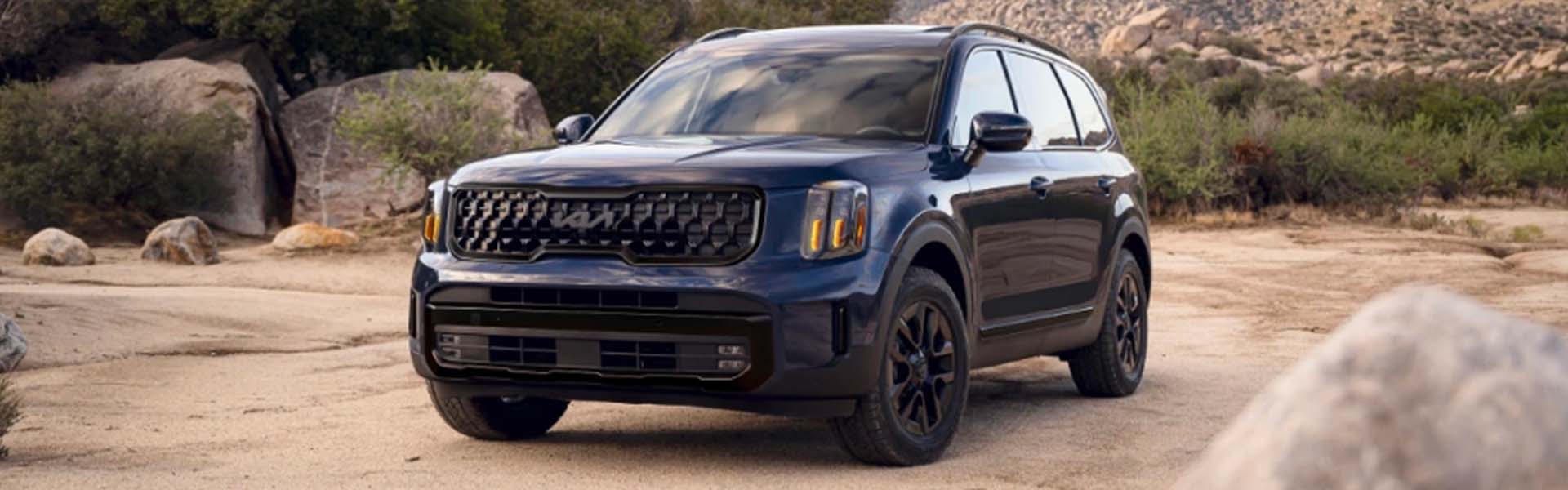
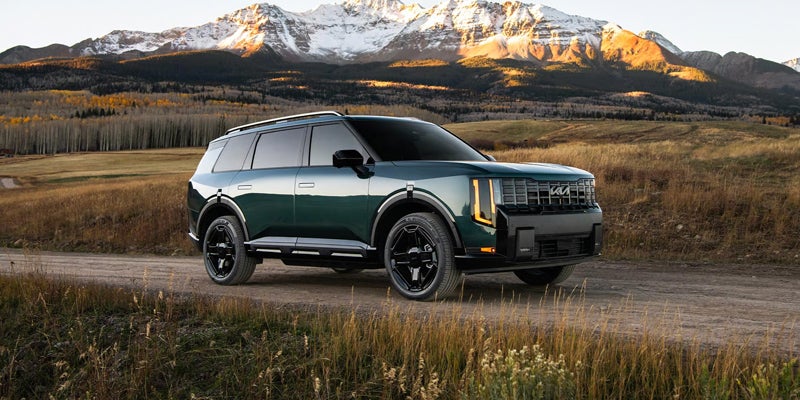
The all-new 2027 Kia Telluride gives SUV shoppers two distinct powertrain options: a turbocharged gasoline engine and the first-ever Telluride Turbo-Hybrid. When comparing the 2027 Kia Telluride gas vs. hybrid, the biggest differences involve fuel economy, horsepower, driving range, and towing capability. The gas-powered Telluride can tow up to 5,000 pounds when properly equipped, while the hybrid delivers up to an EPA-estimated 35 MPG combined and 329 horsepower. Both offer the comfort and versatility families expect from a three-row SUV. Shop New Kia Tellurides Schedule a Test Drive For drivers around Auburn, Kent, Federal Way, and Renton, choosing the right Telluride depends on everyday driving habits. Whether you're commuting along Highway 167, transporting your family to school and activities, or heading out for weekend adventures throughout Western Washington, each powertrain offers different advantages. Understanding those differences can help you decide which 2027 Telluride better fits your lifestyle. 2027 Kia Telluride Gas vs. Hybrid: Key Differences at a Glance Both versions of the 2027 Telluride use a turbocharged 2.5-liter engine, but the hybrid adds electric motors and a hybrid battery to improve efficiency and increase total system output. Here's how the two powertrains compare. Feature 2027 Telluride Gas 2027 Telluride Hybrid Powertrain 2.5L turbocharged 4-cylinder 2.5L turbocharged hybrid Horsepower 274 hp 329 hp combined Torque 311 lb-ft 339 lb-ft combined Transmission 8-speed automatic 6-speed automatic EPA-Estimated FWD MPG 22 combined Up to 35 combined EPA-Estimated AWD MPG 19-20 combined 31 combined Maximum Towing Capacity 5,000 lbs 4,500 lbs Maximum EPA-Estimated Range Varies by configuration Up to 637 miles (EX FWD) Passenger Seating Seven or eight, depending on trim Seven Drivetrain Options FWD or AWD, depending on trim FWD or AWD, depending on trim Plug-In Charging Required No No Figures are based on Kia's published 2027 model specifications. Fuel economy varies by trim and drivetrain. Maximum towing requires appropriate equipment. Actual mileage and range will vary. The hybrid's higher horsepower and fuel economy make it particularly interesting for drivers who spend considerable time commuting. However, the gasoline version may be more appealing to shoppers looking for additional towing capability, eight-passenger seating, or the rugged X-Pro trim configuration. Engine Performance: Is the 2027 Telluride Hybrid More Powerful? Yes. One of the more interesting aspects of the 2027 Telluride is that choosing the hybrid doesn't mean sacrificing engine performance. In fact, the hybrid produces more horsepower and torque than the gas-powered model. 2027 Kia Telluride Gas Engine Performance The gasoline-powered Telluride features a 2.5-liter turbocharged four-cylinder engine producing 274 horsepower and 311 lb-ft of torque. It pairs with an eight-speed automatic transmission and offers front-wheel drive or all-wheel drive, depending on trim. This powertrain is designed to provide confident everyday acceleration, highway merging, and family transportation. For shoppers who prefer a conventional gasoline SUV, it offers a straightforward ownership experience without hybrid-specific components. 2027 Kia Telluride Hybrid Engine Performance The Telluride Hybrid combines a 2.5-liter turbocharged gasoline engine with electric motors and a lithium-ion battery. Together, the system produces 329 horsepower and 339 lb-ft of torque. The hybrid uses a six-speed automatic transmission and can rely on electric motor assistance during acceleration. That additional electric torque can be particularly useful when pulling away from a stop or navigating city traffic. Drivers comparing the two should pay attention to throttle response, acceleration smoothness, and overall comfort during a test drive. While the hybrid offers greater rated output, the driving experience also depends on the vehicle's weight, drivetrain, and suspension configuration. Fuel Economy: How Much More Efficient Is the Telluride Hybrid? Fuel economy is one of the biggest reasons to consider the 2027 Kia Telluride Hybrid, especially for drivers with regular commutes between Auburn, Kent, Federal Way, and Renton. The gasoline-powered Telluride earns an EPA-estimated 22 MPG combined in front-wheel-drive configurations. Many all-wheel-drive gas models are rated at 20 MPG combined, while the more rugged X-Pro models are rated at 19 MPG combined. The hybrid delivers a substantial efficiency improvement. The Telluride Hybrid EX FWD earns an EPA-estimated 35 MPG combined, while the SX FWD is rated at 33 MPG combined. All-wheel-drive hybrid configurations are rated at 31 MPG combined. Quick Comparison: Telluride Gas vs. Hybrid MPG Gas Telluride: Up to an EPA-estimated 22 MPG combined. Hybrid Telluride: Up to an EPA-estimated 35 MPG combined. For drivers covering thousands of miles each year, the hybrid's higher MPG rating can reduce fuel consumption and the frequency of gas station visits. Actual savings depend on mileage, fuel prices, driving conditions, and the specific trims being compared. Drivers who spend a significant amount of time in stop-and-go traffic may particularly appreciate the hybrid system. Regenerative braking captures some of the energy normally lost during deceleration and uses it to recharge the hybrid battery. Electric motor assistance can also reduce how much work the gasoline engine needs to perform in certain driving situations. For families frequently traveling along Highway 167 or making regular trips throughout the South Sound, that efficiency advantage is an important consideration. Driving Range: Which 2027 Telluride Goes Farther Between Fill-Ups? The Telluride Hybrid also offers an advantage in estimated driving range. The EX FWD hybrid has an EPA-estimated total driving range of up to 637 miles on a full tank. That range is possible because the hybrid combines a highly efficient powertrain with an 18.2-gallon fuel tank. It is important to remember that the 637-mile estimate applies specifically to the EX FWD configuration, not every hybrid Telluride. The gas-powered Telluride has a 19-gallon fuel tank, but its lower MPG ratings mean drivers should generally expect to refuel more frequently under comparable conditions. Exact range depends on the trim, drivetrain, fuel consumption, and driving habits. For families heading out on longer trips across Washington, fewer fuel stops can make the Telluride Hybrid especially appealing. However, both vehicles use conventional gasoline fueling infrastructure. Do You Have to Plug In the 2027 Kia Telluride Hybrid? No. The Telluride Hybrid is a conventional hybrid electric vehicle, not a plug-in hybrid. It automatically recharges its battery through regenerative braking and operation of the gasoline engine. That means drivers can enjoy improved fuel economy without installing a home charging station or planning trips around public charging locations. Towing Capability: Telluride Gas vs. Hybrid Towing is one area where the gasoline-powered 2027 Telluride has an advantage over the hybrid. When properly equipped, the gas model can tow up to 5,000 pounds, compared with the hybrid's maximum towing capacity of 4,500 pounds. That 500-pound difference may be important for drivers planning to tow a small camper, utility trailer, or recreational equipment on weekend trips. When the Gas Telluride May Be Better for Towing Drivers who frequently tow heavier loads may appreciate the gasoline model's higher maximum rating. Its available X-Pro configuration also adds equipment intended for more demanding driving conditions, including all-terrain tires and increased ground clearance. However, buyers should evaluate more than the maximum tow rating. Trailer weight, tongue weight, passengers, cargo, and the vehicle's payload limits all matter when determining whether a particular Telluride can safely handle a trailer. Can the Telluride Hybrid Still Tow? Absolutely. The Telluride Hybrid's maximum 4,500-pound towing capacity is still useful for many recreational activities. Kia also offers a tow hitch and self-leveling rear suspension equipment, depending on configuration. For someone who tows occasionally but spends most of the year commuting and transporting family members, the hybrid may offer a practical balance of capability and everyday fuel efficiency. Always consult the owner's manual and verify the exact vehicle's towing equipment, weight ratings, and applicable requirements before towing. Thinking About a New Kia Telluride? Compare available Telluride models at Sunset Kia of Auburn, explore gas and hybrid configurations, and find an SUV that fits your family's driving needs. View Telluride Inventory Explore Telluride Hybrid Features Interior Space and Family Practicality: Does the Hybrid Lose Cargo Room? Both versions of the 2027 Kia Telluride are designed around three-row family transportation, but there are a few differences worth considering when comparing interior space. The gas-powered Telluride offers seven- or eight-passenger seating, depending on trim. Eight-passenger configurations use a second-row bench seat, while seven-passenger models feature captain's chairs. The Telluride Hybrid is configured for seven passengers. Families who regularly need eight seats should therefore consider the gas-powered model. Both offer flexible cargo areas, although the hybrid's packaging creates a small difference in maximum cargo measurements. The gas-powered Telluride provides up to 22.3 cubic feet behind the third row, compared with 21.3 cubic feet in the hybrid. With the rear seating rows folded, the gas version offers up to 89.3 cubic feet of cargo space, while the hybrid provides up to 88.3 cubic feet. For most families, that difference is relatively small. The more important consideration may be passenger seating configuration, how frequently you use the third row, and the amount of equipment you regularly carry. Technology, Comfort, and Everyday Driving Features The 2027 Telluride introduces an updated interior with modern displays, available comfort features, and driver-assistance technology across its lineup. Depending on trim, shoppers can explore features such as large digital displays, navigation, heated and ventilated seating, available second-row comfort upgrades, and technology designed to help make daily travel more convenient. The hybrid also features Kia's Electrification-Vehicle Motion Control system, which uses electric motor and braking control to support vehicle handling and stability. Shoppers interested in additional off-pavement equipment should pay particular attention to the gas-powered X-Pro trims, which offer specialized features such as all-terrain tires, an electronic limited-slip differential, and increased ground clearance. Whether your priorities involve family comfort, advanced technology, or weekend recreation, it's worth comparing the exact trim and equipment packages rather than choosing solely by powertrain. Which Telluride Is Better for Driving Around Auburn, Kent, Federal Way, and Renton? The right powertrain depends heavily on where and how you spend most of your time behind the wheel. For Daily Commuting Around Auburn and Kent Drivers frequently commuting along Highway 167 or navigating local stop-and-go traffic may appreciate the Telluride Hybrid's improved fuel economy and electric motor assistance. The hybrid is particularly appealing when reducing fuel consumption is a major ownership priority. For Families in Federal Way Both powertrains offer the space and versatility expected from a three-row SUV. Families who regularly need eight-passenger seating may prefer a gas-powered Telluride with the appropriate second-row bench configuration. Those who prioritize fuel efficiency and need seven seats may find the hybrid more appealing. For Highway Travel Around Renton Drivers traveling between Renton, Auburn, and other parts of the region can benefit from the hybrid's higher MPG ratings and longer estimated range. The gas model remains a capable alternative for buyers who prefer its available trim configurations and towing capability. For Weekend Trips Across Western Washington Families planning trips to the coast, mountain destinations, or nearby recreation areas should consider both passenger comfort and cargo needs. The hybrid can help reduce fuel stops on longer drives, while the gas model offers greater maximum towing capacity and the available X-Pro off-road equipment. Is the 2027 Kia Telluride Gas or Hybrid the Better Choice? There isn't one powertrain that makes sense for every Telluride shopper. Each offers advantages depending on your priorities. Consider the Gas-Powered 2027 Telluride If You: Want up to 5,000 pounds of towing capability when properly equipped. Need the option of eight-passenger seating. Prefer a conventional turbocharged gasoline powertrain. Are interested in available X-Pro off-road-oriented equipment. Place greater importance on trim selection and towing than achieving the highest possible MPG rating. Consider the 2027 Telluride Hybrid If You: Want to reduce fuel consumption during regular commuting. Prefer the higher combined horsepower and torque of the hybrid powertrain. Value fewer stops at the gas station during longer trips. Need a versatile seven-passenger SUV with available all-wheel drive. Want hybrid fuel efficiency without plugging in or using charging stations. Both versions bring meaningful improvements to the 2027 Telluride lineup. For many shoppers, the most helpful next step is to compare available models and test drive the configurations they're considering. Frequently Asked Questions About the 2027 Kia Telluride Gas and Hybrid Does the 2027 Kia Telluride Hybrid get better gas mileage than the gas model? Yes. The 2027 Telluride Hybrid EX FWD earns an EPA-estimated 35 MPG combined, compared with 22 MPG combined for front-wheel-drive gas models. AWD hybrid models are rated at 31 MPG combined, while gas AWD models are generally rated at 19 or 20 MPG combined, depending on configuration. Is the 2027 Kia Telluride Hybrid more powerful than the gas version? Yes. The hybrid produces a combined 329 horsepower and 339 lb-ft of torque. The gasoline-powered Telluride produces 274 horsepower and 311 lb-ft of torque. Can the 2027 Telluride Hybrid tow as much as the gas model? No. The gas-powered Telluride has a maximum towing capacity of 5,000 pounds, while the hybrid is rated to tow up to 4,500 pounds. Proper equipment is required, and drivers should verify the exact vehicle's towing and payload limits before hauling a trailer. Does the Kia Telluride Hybrid need to be plugged in? No. The 2027 Telluride Hybrid charges its battery using regenerative braking and its gasoline engine. It does not require a charging station or external electrical connection. How far can the 2027 Kia Telluride Hybrid drive on a full tank? The 2027 Telluride Hybrid EX FWD has an EPA-estimated total driving range of up to 637 miles. Actual range varies based on trim, drivetrain, driving conditions, temperature, and vehicle usage. Where can I shop for a 2027 Kia Telluride Hybrid near Auburn, WA? Sunset Kia of Auburn serves shoppers from Auburn, Kent, Federal Way, Renton, and surrounding communities. You can browse available Kia Telluride inventory or explore 2027 Telluride Hybrid features online. Contact the dealership to confirm current hybrid availability. Explore the 2027 Kia Telluride at Sunset Kia of Auburn Whether the gas-powered Telluride's towing capability appeals to you or you're interested in the hybrid's combination of horsepower and efficiency, Sunset Kia of Auburn can help you explore your options. Browse our new Kia Telluride inventory to compare available vehicles, trims, features, and pricing. You can also learn more about the redesigned 2027 Kia Telluride or explore our Kia hybrid and electric inventory if fuel efficiency is one of your priorities. Qualifying new and pre-owned vehicles at Sunset Kia of Auburn may also include exclusive ownership benefits such as Warranty Protection for Life and Oil Changes for Life. Eligibility requirements, exclusions, and program terms apply, so ask the dealership about the benefits available with your specific vehicle. Visit Sunset Kia of Auburn to compare available Telluride configurations and find the three-row SUV that fits your family's transportation needs. Find Your Next Kia Telluride in Auburn, WA Ready to compare the 2027 Telluride gas and hybrid models? Explore available inventory or arrange a test drive with Sunset Kia of Auburn. Shop Kia Telluride Inventory Schedule Your Test Drive Sunset Kia of Auburn 3401 Auburn Way North Auburn, WA 98002 Sales: 253-264-3152 Vehicle specifications, features, trim availability, and equipment are subject to change. EPA-estimated fuel economy and driving range vary by configuration; actual results depend on driving habits, weather, vehicle condition, and other factors. Towing requires appropriate equipment and compliance with vehicle weight ratings. Not all features are available on all trims. Inventory and ownership benefit eligibility are subject to dealership confirmation. Consult Kia's official specifications and the owner's manual for details.

Kia Tire Replacement

Kia Tire Replacement: How to Choose Tires for Auburn Rain, Highway Driving, and Occasional Snow

Choosing replacement tires starts with your Kia and the roads you use most. A commuter traveling on wet highways may prioritize different qualities than someone making regular winter trips into the mountains. When considering Kia tire replacement in Auburn, WA, look beyond price and tread-life warranties. Wet-road performance, seasonal traction, correct fitment, and the condition of your current tires all deserve attention. Check Tread Depth and Tire Condition First A tire inspection should include tread measurements at several points across each tire. Uneven wear can reveal a need to check inflation, alignment, or suspension components before installing a replacement set. Tires should be replaced when tread reaches 2/32 inch. However, that minimum is not a target for wet-weather performance. As tread wears, its ability to move water away from the contact area decreases. Ask whether your remaining tread is appropriate for your usual rainy-weather driving. Also look for sidewall bulges, cracks, cuts, or recurring pressure loss. A tire can need replacement because of damage even when its tread still looks substantial. Check tire pressure when the tires are cold, using the vehicle’s placard rather than the maximum pressure printed on the tire sidewall. Tire Age Matters Even With Low Mileage Tires age whether you drive every day or leave the vehicle parked frequently. The final four digits of the DOT identification number indicate the manufacturing week and year. For example, 2422 means the tire was manufactured during the 24th week of 2022. Age should be evaluated alongside condition, use, and the replacement guidance from Kia and the tire manufacturer. Plenty of tread does not automatically mean an older tire remains suitable. Include the spare tire in that conversation if your vehicle has one. Compare All-Season and All-Weather Tires All-season tires balance dry-road handling, wet traction, ride comfort, and light-snow capability. They can suit drivers whose winter travel is limited and who can avoid driving during heavier snow or ice. All-weather tires are designed for year-round use with additional snow capability. Look for the three-peak mountain snowflake symbol, which indicates that the tire meets a standardized snow-traction requirement. An M+S marking alone does not establish the same tested capability. For Kia tires for wet weather, compare the specific tire’s wet braking and water-management performance. The all-weather label does not automatically mean a tire performs better in rain than every all-season alternative. If mountain travel, prolonged cold, or frequent snow is part of your routine, discuss a dedicated winter set. Neither a snow rating nor AWD guarantees grip on ice. Match the Tire to Your Highway Routine Tell your advisor whether you primarily drive local streets, commute on highways, or carry passengers and luggage on longer trips. Ask how the recommended tires balance wet traction, road noise, steering response, and ride comfort. A long tread-life warranty is useful, but it does not describe every aspect of performance. Compare tires in the correct size with similar intended uses, and ask about maintenance requirements attached to their warranties. Regardless of tire choice, reduce speed and increase following distance in heavy rain. Standing water can overwhelm available traction even with new tires. Confirm Sizing and AWD Requirements Replacement tires must meet the specifications for your Kia’s model, year, trim, and wheel package. Have the advisor confirm size, load capacity, speed rating, and any approved alternatives. Some vehicles use different front and rear sizes, so do not assume every Kia takes four identical tires. AWD vehicles need particular attention to matching tires and rolling circumference. Differences caused by tire design or wear can affect drivetrain operation. If only one tire is damaged, ask the technician to measure the remaining tires and check your model’s requirements before deciding how many to replace. The answer should come from the vehicle’s specifications and measured tire condition, rather than a blanket rule for every AWD Kia. Bring These Details to Your Tire Consultation Your Kia’s model, year, trim, and VIN. Your usual routes and expected winter travel. Any vibration, pulling, pressure loss, or recent pothole impact. Your priorities for wet traction, comfort, noise, and budget. Available tire purchase, rotation, and alignment records. Ask for tread measurements, an explanation of any uneven wear, and an itemized replacement quote. Confirm whether mounting, balancing, tire-pressure sensor service, disposal, and an alignment check are included or priced separately. Explore Kia service at Sunset Kia of Auburn, then schedule a tire inspection and replacement consultation. Bring your driving needs so the team can help you compare suitable options for your vehicle.

2027 Kia Sportage

Inside the 2027 Kia Sportage Hybrid: Rear-Seat Space, Cargo Flexibility, Climate Controls, and Cabin Technology

The right SUV interior should accommodate your daily routine without requiring constant rearranging. That might mean space for a rear-facing child seat, an accessible place to charge a phone, or enough cargo room for a stroller and groceries at the same time. The 2027 Kia Sportage Hybrid interior offers a useful starting point with reclining rear seats, flexible cargo arrangements, and available comfort upgrades. At Sunset Kia of Auburn, walk through the cabin from front to back and try the features with your own passengers and gear in mind. Start With Your Driving Position and Displays The Sportage Hybrid includes a 12.3-inch touchscreen with wireless Apple CarPlay and Android Auto compatibility. An available 12.3-inch digital instrument cluster expands the display setup, while built-in navigation availability depends on equipment. Before evaluating the screens, adjust your seat and steering wheel. Check whether you can read driving information comfortably and reach the touchscreen without leaning forward. Then connect your compatible phone. Open your preferred navigation app, choose some music, and try returning to the main screen. Smartphone functions require compatible devices, and certain apps need mobile data or separate subscriptions. Consider the smaller details, too. Place your usual water bottle in the cupholder, check where your phone rests, and see whether a passenger can access storage without interfering with the driver. Learn the Climate Controls While Parked Dual-zone automatic climate control lets the driver and front passenger select different temperatures. Rear climate vents help direct airflow toward second-row passengers. The multifunction control panel beneath the touchscreen switches between audio and climate functions. Ask your consultant to demonstrate that switch, then adjust the temperature, fan speed, and windshield defrost yourself. Pay attention to which mode is active before turning a knob. Heated seats, ventilated seats, and other comfort equipment vary by trim. Try the controls on the specific Sportage Hybrid you’re considering rather than assuming every vehicle has the same setup. Check Rear-Seat Comfort With the Front Seats in Use The second row offers reclining seatbacks and a 60/40 split-folding arrangement. Adjust the seatback angle and check knee room, foot space, and headroom with the front seats positioned for the people who will normally use them. For households with children, bring your actual child seat. Check access to the appropriate anchors, follow both installation manuals, and confirm that the front passenger still has a comfortable seating position once the child seat is properly installed. If you regularly carry adults, have someone sit in the rear during your visit. A legroom measurement cannot tell you whether the seat cushion, doorway, or headroom feels comfortable to that person. Locate Charging Ports Before Choosing a Trim USB-C charging connections support everyday device use, while additional seatback-mounted ports and wireless phone charging depend on equipment. Bring your charging cable and check the port locations in the vehicle you’re considering. Can rear passengers reach a connection easily? Will the cable cross a cupholder or stretch across someone’s legs? If equipped with wireless charging, test your compatible phone with its usual case. Phone placement and case design can affect charging, so a quick demonstration is more useful than simply confirming that a charging pad is present. Load the Cargo Area the Way You Actually Use It Kia lists up to 39.5 cubic feet behind the rear seats and 73.7 cubic feet with them folded, measured with the dual-level cargo floor in its lower position. The split rear seat lets you fold one section while retaining seating on the other side. Bring a stroller, sports bag, or another item you routinely carry. Load it with the rear seats upright first. Check the opening width, loading height, and remaining room for groceries or backpacks. Ask how the cargo floor positions change the loading surface. Then fold a seat section and check whether the resulting arrangement works for your longer items. An available Smart Power Liftgate adds convenience when your hands are full. If equipped, ask for a demonstration of its opening-height adjustment and Smart Key operation, especially if you park in a garage with limited overhead clearance. Bring a Short Cabin Checklist Fit your child seat and recheck front-passenger comfort. Load your stroller with the rear seats upright. Try the rear-seat recline and split-folding controls. Connect your phone and locate passenger charging ports. Switch between audio and climate controls while parked. Confirm the exact display, seating, and liftgate equipment. Explore hybrid and electric inventory at Sunset Kia of Auburn to identify vehicles worth comparing. Then schedule a test drive and bring the everyday items that will help you decide which Kia Sportage Hybrid features make a practical difference.

2026 EV9

Kia EVs in Auburn, WA: Charging Habits, Range Tips, and Everyday Benefits

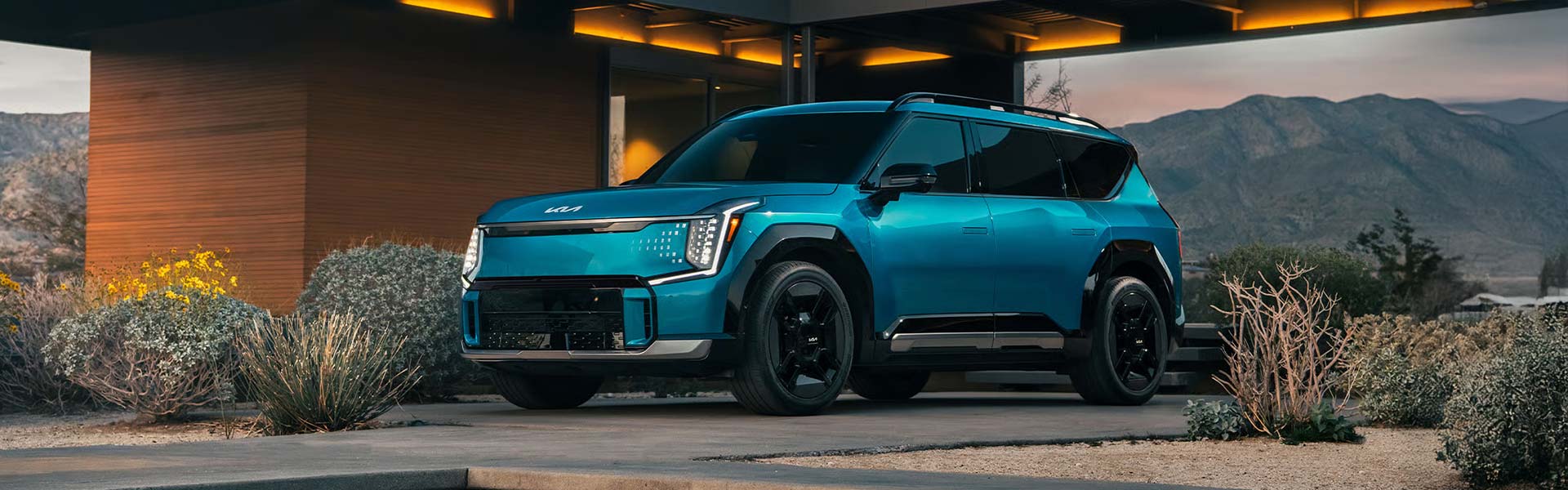
Electric vehicles are getting more and more popular, as people look to cut what they spend on gas. The Kia EV lineup is a strong one and has become a compelling option for drivers everywhere. Kia's electric lineup continues to grow, with models like the 2026 EV6 and the three-row 2026 EV9 offering a range of options for different lifestyles and budgets. So, if you are just driving across town or heading out for a weekend trip, Kia's EVs can do whatever you need them to do. Washington state also offers some of the most EV-friendly conditions in the country. A strong charging infrastructure helps make it easy to own and drive an electric vehicle. Building Better Kia EV Charging Habits The best thing to do as a Kia EV owner is to develop consistent charging habits. The general advice from Kia is to keep your battery charge between 20 and 80 percent for daily use. This range helps preserve long-term battery health and ensures you are never starting your day on an empty charge. Home charging is the path that many EV owners choose to take. A Level 2 home charger is the most convenient setup for most drivers. It charges significantly faster than a standard outlet and can typically replenish a full charge overnight. For longer trips, DC fast charging stations along major routes make it easy to top up quickly when you need it most. Getting the Most Range Out of Your Kia EV Range confidence comes with understanding how your vehicle uses energy. In Washington's cooler months, preconditioning your Kia EV while it is still plugged in can help maintain cabin temperature without drawing heavily from the battery. This is a simple habit that makes a noticeable difference when it comes to range. Smooth, consistent driving also plays a big role in extending range. Regenerative braking is standard on Kia EVs and allows the vehicle to recover energy when you lift off the accelerator. Using it effectively - especially on downhill stretches and during city driving - can extend how far you go on a single charge. Reducing unnecessary power loads like blasting the heat or running multiple accessories at full power can also help you stretch your available range further. Everyday Benefits of Owning a Kia EV in Auburn, WA Beyond charging and range, daily life with a Kia EV offers some practical advantages. Fueling up with electricity is typically far less expensive than gasoline, and maintenance needs are reduced since EVs have fewer moving parts than traditional engines. Kia also backs its vehicles with an industry-leading warranty, giving owners added peace of mind. The Kia Connect platform allows you to monitor your vehicle remotely, check charge status, and even precondition the cabin before you leave the house - all from your smartphone. Explore Kia EVs and Find the Right Fit for You Kia's growing electric lineup means there is likely a model that fits your lifestyle well. The 2026 EV6 is a sharp, performance-focused crossover, while the 2026 EV9 brings three rows of seating and impressive capability for families who need more space. Following a few key Kia EV charging tips and adopting smart driving habits will help you feel confident from day one. Visit Sunset Kia of Auburn to explore current inventory and learn more about what Kia EVs can offer you.

Kia Telluride

Kia Sorento vs. Kia Telluride: Which 3-Row SUV Fits Your Family?

You’ve narrowed your 3-row SUV search down to Kia—which is a great choice. But now you’re faced with choosing the Kia Sorento vs. Kia Telluride. Both vehicles offer 3 rows of seating, a long list of features, and the kind of reliability Kia is known for, but they're not the same vehicle. The right choice really depends on what your family needs day to day in Auburn, Washington. Here's a closer look at how these two popular models stack up against each other. Size and Space: Knowing the Difference The most noticeable difference between these 3-row SUVs is overall size. The Telluride is the larger of the two, with slightly more 2 nd -row legroom with its sliding 2 nd -row seats, and a more spacious 3 rd row that can actually accommodate adults with some degree of comfort. The Sorento provides just under 30” of 3 rd -row legroom, while the Telluride can exceed 32”. If you regularly haul a full load of passengers, that extra room matters. The more compact 3-row option is the Sorento. While its 3 rd row is better suited for younger kids or shorter trips, the Sorento wins over the Telluride in maneuverability. It’s easier to park and navigate in tighter spaces, which is a real advantage for families in Auburn, Washington who deal with busy school pickup lines or crowded parking lots. Powertrain and Efficiency Options Both models give you flexibility when it comes to how they're powered. In addition to its 2 gas engine options, one of which is turbocharged, the 2026 Kia Sorento offers hybrid and plug-in hybrid options. That gives efficiency-focused buyers a clear advantage. The plug-in hybrid (PHEV) option is especially appealing if you do a lot of short daily commutes and want to reduce how often you stop at the pump. It gives you 33 MPG combined when running on gas only and a 31-mile all-electric range. The 2027 Kia Telluride brings its own powertrain news—a new turbo-hybrid setup that produces 274 hp and 311 lbs.-ft. of torque. That's a meaningful step up in output, and it pairs well with the Telluride's larger frame and higher towing capability of up to 5,000 lbs. If power and performance are priorities alongside space, the Telluride might be your best match. Features and Technofor Your Family? If you have a larger family, frequently take road trips with a full vehicle, or need a more capable tow vehicle, the Telluride is likely the better fit. Its size, power, and 3 rd -row comfort make it the more versatile choice for bigger households. If you're looking for something a bit more practical for everyday errands, school runs, and around-town driving, while still having that 3 rd row available when you need it, the Sorento is a smart, well-rounded option. Its hybrid and plug-in hybrid versions also appeal to drivers who want to keep fuel costs in check. Come See Both at Sunset Kia of Auburn Deciding between the Kia Sorento vs. Kia Telluride is much easier once you've sat in both. Families throughout Auburn, Washington can explore the full Kia SUV lineup and find the model that checks all the right boxes. Stop by Sunset Kia of Auburn to explore current inventory and get started.

2026 Kia Summer Service

Kia Summer Service in Auburn, WA: Road Trip Checklist Before You Leave

Before you load up the Kia and head out on a summer road trip, taking care of a few key service items can make a big difference. If you're looking for Kia summer service in Auburn, WA, you should know it's about more than just an oil change - it's about making sure your vehicle is ready for the heat, the miles, and everything in between. Summer driving puts extra demand on your Kia's systems. Higher temperatures affect fluid levels, tire pressure, and battery performance in ways you might not notice until you're already on the highway. Check Your Fluids and Filters One of the most important steps for any Kia road trip service checklist is to check your vehicle's fluid levels. Engine oil, coolant, brake fluid, and transmission fluid should all be inspected and topped off before a long trip. Coolant is especially critical during summer. Your engine works harder in the heat, and a low or degraded coolant level can lead to overheating. While you're at it, check your cabin air filter and engine air filter - clogged filters reduce efficiency and comfort on longer drives. Inspect Your Tires and Brakes Tires are your first line of safety on the road, so they deserve a close look before any summer road trip. Check the tread depth, look for uneven wear, and make sure all four tires are inflated to the pressure listed in your owner's manual. Heat causes air to expand, so tire pressure can shift more noticeably during summer months. Brakes should also be part of your checklist. If you've noticed any squealing, grinding, or a soft pedal feel, get your brakes inspected right away. It's much easier to address these issues close to home than on the road. Test Your Battery and Electrical Systems Many drivers assume cold weather is the only threat to a car's battery, but summer heat can be just as damaging. High temperatures accelerate battery fluid evaporation and can degrade internal components over time. Have your battery tested to make sure it's holding a proper charge. While your technician is at it, ask them to check the charging system and make sure all lights, wipers, and climate controls are functioning correctly. A working air conditioning system isn't a luxury on a summer trip - it's a necessity. Review Your Kia's Tech and Safety Features Newer Kia vehicles come loaded with driver assistance and connectivity features. Before heading out, take a few minutes to make sure everything is working as expected. Confirm that your touchscreen is responsive, your backup camera is clear, and any active safety features are properly enabled. Kia Connect, available through the Kia Access app, can also be a helpful travel companion - allowing you to monitor vehicle status and get remote support if needed. Pack Smart and Know What to Bring Beyond the mechanical side of Kia summer service, it's worth thinking about what you're carrying with you. Make sure you have your roadside emergency kit, owner's manual, and any relevant insurance or warranty documents. Kia backs its vehicles with an industry-leading warranty, so knowing what's covered before you leave gives you added security. If your Kia is still under warranty, a pre-trip service visit is a smart way to catch anything that might qualify for coverage. Stop By Sunset Kia of Auburn Today! A summer road trip should be something you look forward to - not something that causes stress. Taking the time to complete a proper Kia summer service routine before you leave puts you in control. Work through this Kia road trip service checklist, address anything that needs attention, and head out knowing your Kia is ready for the journey. Come and see the service experts at Sunset Kia of Auburn to get your Kia summer road trip ready today!

2026 Kia Sorento Hybrid

The Best Kia for Family Road Trips in the Pacific Northwest

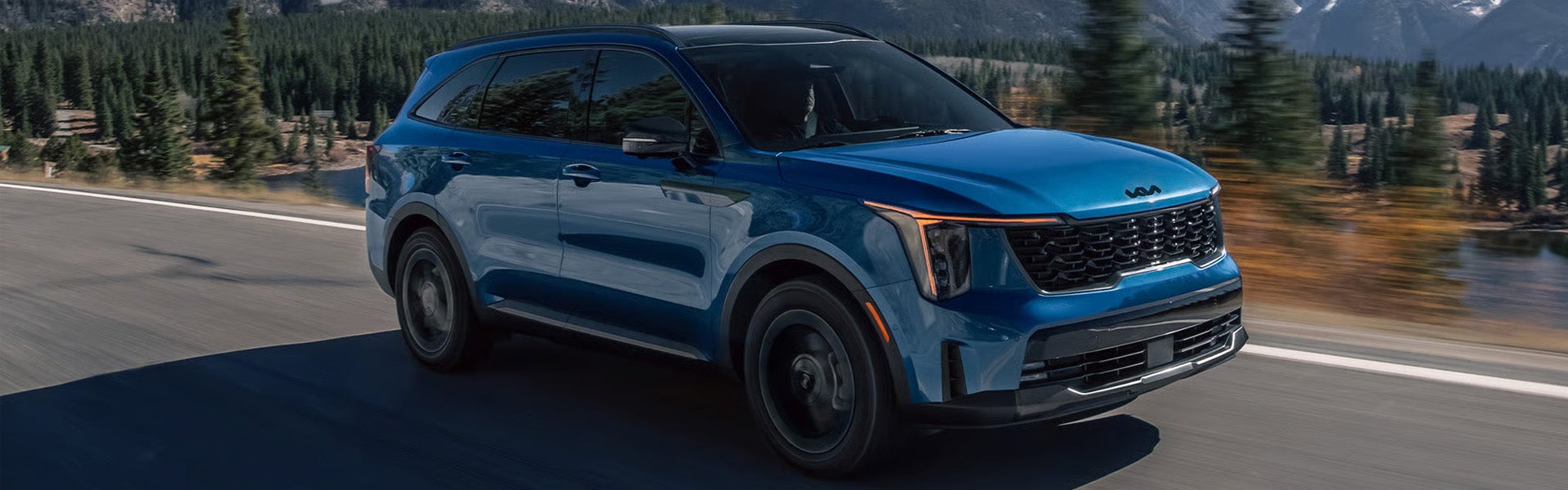
When it comes to planning a family road trip through the Pacific Northwest, the vehicle you choose makes all the difference. If you're heading to Mount Rainier, cruising along the Oregon Coast, or exploring back roads near Auburn, WA, you don't want to go in the old family truckster, you need a ride that's comfortable, capable, and spacious enough for everyone - including your gear. That's when you turn to Kia. Kia's current lineup is stacked with options that are well-suited to long drives, varied terrain, and the everyday needs of busy families. We'll help you find the right vehicle with this guide to the best Kia for family road trips. Here's a closer look at which models stand out. The 2026 Kia Sorento Hybrid - Built for the Long Haul The 2026 Kia Sorento Hybrid is one of the most well-rounded choices for families planning extended road trips. It offers three rows of seating, a comfortable interior, and hybrid efficiency that means fewer fuel stops. The Sorento also comes in a plug-in hybrid configuration, giving families even more flexibility depending on their driving habits. For families who regularly navigate the winding mountain passes and coastal highways of the Pacific Northwest, the Sorento Hybrid's available all-wheel drive provides extra traction when conditions change. The 2027 Kia Telluride - Maximum Space and Capability If your family travels with a lot of luggage, camping equipment, or simply needs extra room, the 2027 Kia Telluride is worth a serious look. It's one of the largest SUVs in Kia's lineup, with three rows of seating and a roomy, well-appointed cabin that makes long drives comfortable for passengers of all ages. The Telluride delivers up to 274 hp and 311 lb-ft of torque, so merging onto the freeway or tackling hilly terrain is never a concern. A Telluride Hybrid is also on the way as a 2027 model, which will bring an estimated 637 miles of total range and a 2.5L turbo hybrid engine that produces 329 hp and 339 lb-ft of torque. The 2026 Kia Sportage Hybrid - Versatile and Efficient Not every family needs three rows of seating, and the 2026 Kia Sportage Hybrid is a good pick for smaller families or anyone who doesn't need as much space. It balances cargo space, passenger comfort, and hybrid efficiency in a package that's easy to drive and park - a real advantage when you're exploring smaller towns or parking at trailheads. The Sportage Hybrid is also available in a plug-in hybrid trim, and its available all-wheel drive makes it a practical vehicle to take through rainy stretches or snowy mountain routes. The 2026 Kia Carnival MPV Hybrid - Road Trip Comfort Redefined If comfort and in-cabin convenience are your top priorities, the 2026 Kia Carnival MPV Hybrid brings a minivan experience with a modern SUV-inspired design. It offers seating for up to 8 passengers, an abundance of cargo room, and a hybrid powertrain that helps keep efficiency high on long highway miles. The Carnival is built for families, with interior features that keep everyone comfortable during Pacific Northwest adventures. Find Your Perfect Road Trip Kia in Auburn, WA Choosing the best Kia for family road trips comes down to the size of your crew, how far you're traveling, and what kind of terrain you'll cover. From the spacious Telluride to the efficient Sportage Hybrid and the family-focused Carnival, Kia's lineup has a strong answer for nearly every type of family adventure in the Pacific Northwest. The Kia experts at Sunset Kia of Auburn can help you explore these models in person and find the one that fits your family's next big trip.

2026 Kia Infotainment Systems

The Evolution of Kia Infotainment Systems for 2026

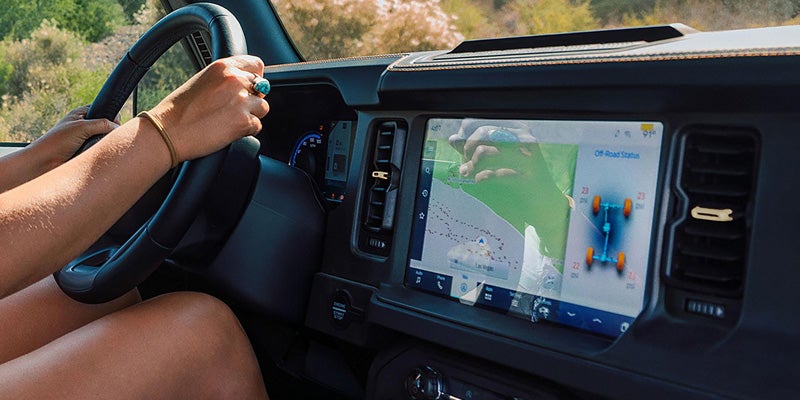
Kia has long been a leader in integrating cutting-edge technology into its vehicles, and the 2026 lineup is no exception. With a focus on enhancing connectivity, convenience, and entertainment, the 2026 Kia infotainment features are designed to elevate your driving experience. When you're commuting, driving the kids to school, running errands around Auburn, Washington, or embarking on a road trip, Kia’s latest infotainment systems ensure you stay connected and entertained. One of the standout updates for 2026 is the integration of Kia Connect, which offers enhanced vehicle connectivity through your smartphone. This feature not only boosts convenience but also adds an extra layer of security and comfort to your daily drives. What’s New in Kia Infotainment for 2026? The 2026 Kia infotainment features introduce several exciting updates that cater to modern drivers' needs. One of the most notable advancements is the larger standard 12.3” touchscreen displays across multiple models, such as the 2026 Sorento and Sportage. These high-resolution screens make accessing navigation, music, and other apps more intuitive than ever. Additionally, Kia has expanded its voice recognition capabilities for 2026. Drivers can now control more functions hands-free, from adjusting climate settings to sending text messages. This enhancement not only improves convenience but also promotes safer driving by minimizing distractions. Another highlight is the integration of over-the-air (OTA) updates, ensuring your infotainment system stays current with the latest software enhancements without requiring a visit to the dealership. Kia is committed to providing long-term value, innovation, and utmost convenience for their customers. Advanced Connectivity and Entertainment Options For drivers who prioritize entertainment on the go, the 2026 Kia infotainment features deliver in spades. Models like the 2026 EV9 and Telluride Hybrid come equipped with premium audio systems, including Meridian®, Bose®, or Harman Kardon®. Wireless smartphone integration through Apple CarPlay® and Android Auto™ let you to stream music, access apps, and make hands-free calls effortlessly. Kia has also introduced multi-device Bluetooth® connectivity for 2026, enabling passengers to pair multiple devices simultaneously. This feature is perfect for families or groups who want to share playlists or take turns controlling the audio system during long drives. Select models now offer built-in Wi-Fi® hotspots, keeping you and your passengers connected no matter where your journey takes you. Whether you're commuting through Auburn, Washington, Kia keeps you connected, entertained, informed, and loving every minute behind the wheel. Safety Meets Technology in 2026 Kia Models While entertainment and connectivity are key aspects of the 2026 Kia infotainment features, safety remains a top priority. Kia’s advanced driver-assistance systems (ADAS) are seamlessly integrated with the infotainment system to provide real-time alerts and updates. Features like Blind-Spot Monitoring and Rear Cross-Traffic alerts are displayed directly on the touchscreen, so you’ll have all the information you need at a glance. Another new feature, Kia’s navigation systems now include live traffic updates and route optimization powered by AI technology. This ensures that drivers in Auburn, Washington, can navigate efficiently while avoiding congestion or delays. Visit Sunset Kia of Auburn to Experience It Yourself If you’re curious about what’s new in Kia infotainment for 2026, there’s no better way to explore these features than by experiencing them firsthand. Sunset Kia of Auburn offers a wide selection of 2026 Kia models equipped with these advanced infotainment systems. Our team is here to help you discover how these new features and tech enhancements can make your time on the road even better.

2026 Kia Sportage Hybrid S

Discover Kia EV Incentives 2026 in Auburn, WA

Why Kia EV Incentives 2026 Are a Gamechanger As the automotive industry shifts toward sustainability, Kia continues to lead the charge with its innovative electric vehicle lineup and enticing Kia EV incentives for 2026. These incentives are designed to make owning an electric vehicle more accessible and affordable for drivers in Auburn, Washington, and beyond. Whether you're considering the all-new 2027 Kia EV3 or the versatile 2026 Kia Niro EV, these incentives provide a compelling reason to make the switch to electric. With EV incentives and Washington state offering additional benefits, there's never been a better time to embrace eco-friendly driving. From tax credits to state-specific rebates, these programs are tailored to help you save while reducing your carbon footprint. The 2026 Kia Electric Lineup: A Look at Your Options Kia's 2026 electric lineup offers something for everyone, from compact commuters to spacious family SUVs. Here are some standout models that qualify for Kia EV incentives 2026: - 2026 Kia Niro EV: This compact SUV combines practical features like 63.7 cu. ft. of max cargo space with cutting-edge technology including a dual panoramic display and standard voice recognition commands. It offers an impressive 263-mile range. - 2027 Kia EV3: The latest addition to Kia's electric lineup, the EV3 boasts long-range capabilities and a sleek, modern design perfect for urban and suburban drivers alike. Available this summer. - 2026 Kia EV9: For larger families and anyone who needs extra space, the EV9 provides 3 rows of seating for up to 7 adults, a 305-mile range, and a robust electric powertrain that provides 379 hp, 516 lbs.-ft. of torque, and a 5,000-lb. towing capacity, making it ideal for families. Each of these models is equipped with Kia's advanced safety features and connectivity options like Alexa Built-in and wireless smartphone integration, ensuring a comfortable and secure driving experience. Plus, with the industry-leading warranty that Kia is known for, you can drive with confidence knowing your investment is protected. Understanding EV Incentives Washington State 2026 Washington state is committed to promoting clean energy and reducing emissions, making it a prime location for electric vehicle ownership. The EV incentives Washington state 2026 include a variety of programs designed to make electric vehicles more affordable: - State Tax Exemptions: Washington offers sales tax exemptions on qualifying electric vehicles, significantly reducing the upfront cost. - Utility Rebates: Many local utilities provide rebates for installing home charging stations, making it easier and more convenient to charge your EV. - Federal Tax Credits: In addition to state-specific incentives, federal tax credits of up to $7,500 may be available for eligible models. These incentives, combined with Kia's own offers, create an unparalleled opportunity for drivers in Auburn, Washington, to transition to electric vehicles without breaking the bank. How to Take Advantage of Kia EV Incentives 2026 Taking advantage of Kia EV incentives 2026 is easier than you might think. Start by visiting Sunset Kia of Auburn to explore the latest electric models and learn more about available offers. Our knowledgeable team can guide you through the process of applying for federal and state incentives, ensuring you maximize your savings. Additionally, we can assist with financing options tailored to your needs, making it even more convenient to drive home in your new Kia EV. With so many benefits at your fingertips, there's no reason to wait.

Essential Kia Maintenance Checklist for Summer in Auburn, WA

Summer means hitting the road for day trips and longer ventures—but before you embark on your journey, you need to make sure your vehicle is in peak condition. No one wants a breakdown to interrupt their summer plans and empty their wallet. Following a comprehensive Kia maintenance checklist can help keep your car running smoothly and safely through summer. Whether you're running the kids around Auburn, Washington, planning a cross-country trip, or heading into the wilderness, proper maintenance is the key to a stress-free summer. Why a Kia Maintenance Checklist Matters Routine maintenance is essential for keeping your Kia in top shape, especially during the summer months when high temperatures and long drives can take a toll on your vehicle. A well-maintained car not only ensures safety but also enhances fuel efficiency and prolongs the life of your vehicle. Kia vehicles, known for their reliability and advanced technology, are designed to handle various conditions. However, even the most dependable cars need regular care. By following a Kia maintenance checklist, you can address potential issues before they become costly repairs. Key Components of the Kia Maintenance Checklist 1. Inspect Your Tires Tires are your car’s only contact with the road, making them a critical part of your Kia maintenance checklist. Check the tire pressure and tread depth to ensure optimal performance and safety. Summer heat can cause tire pressure to fluctuate, so regular monitoring is essential. Don’t forget to inspect the spare tire as well. 2. Check Fluid Levels Fluids play a vital role in keeping your Kia running smoothly. During summer, it’s especially important to check: Engine oil: Ensure it’s at the correct level and consider an oil change if it’s due. Coolant: Prevent overheating by maintaining proper coolant levels. Brake fluid: Essential for safe stopping power. Windshield washer fluid: Clear visibility is crucial for safe driving. 3. Test Your Battery Summer heat can be tough on car batteries. Inspect the battery terminals for corrosion and ensure it’s securely mounted. If your battery is over 3 years old, consider having it tested to avoid unexpected breakdowns during your road trip. 4. Inspect Belts and Hoses Belts and hoses are susceptible to wear and tear, especially in high temperatures. Look for cracks, fraying, or leaks that could lead to bigger problems down the road. Replacing worn-out components now can save you from being stranded later. 5. Air Conditioning System Check A functioning air conditioning system is a must for summer driving comfort. Ensure the A/C system is blowing cold air and have it serviced if necessary. When summer temps soar in Washington, a malfunctioning A/C is the kiss of death for your road trip. Additional Tips for Summer Road-Readiness While the Kia maintenance checklist covers the essentials, there are a few extra steps you can take to ensure your car is fully prepared for summer: Clean or replace air filters to improve engine efficiency and cabin air quality. Keep an emergency kit in your car with essentials like water, a flashlight, and basic tools. Wash and wax your Kia to protect the paint from UV damage and maintain its sleek appearance. Call to Action: Schedule Your Kia Maintenance Today! Ready to get your Kia summer-ready? Sunset Kia of Auburn is here to help! Our expert technicians are equipped to handle all aspects of your Kia maintenance checklist, ensuring your vehicle is road-ready for any adventure. Visit us in Auburn, WA, or schedule your service appointment online. Taking care of your Kia with a comprehensive maintenance checklist is essential for safe and enjoyable summer driving. From tire inspections to fluid checks, these steps ensure your vehicle performs at its best during the hottest months of the year. Whether you're exploring Auburn, Washington, or venturing further afield, proper maintenance gives you peace of mind and keeps your adventures on track. Prepare your Kia today and hit the road with confidence!

Should You Choose the Kia Sportage Plug-In Hybrid?

The Kia Sportage Plug-In Hybrid adds versatility and eco-consciousness to the long-loved SUV, along with a host of other advantages. This Plug-in Hybrid SUV delivers an impressive 34-mile electric range, making it an eco-friendly option for drivers in Auburn, Washington. And with a It delivers a combined 268 hp and up to 271 lb-ft of torque thanks to its turbocharged gas engine and electric motors. With its innovative design, advanced technology, and impressive efficiency, it’s no wonder this SUV is gaining popularity. But is it the right choice for you? In this blog, we’ll explore the pros, cons, and key features of the Kia Sportage Plug-In Hybrid to help you decide. What Makes the Kia Sportage Plug-In Hybrid Stand Out? The Kia Sportage Plug-In Hybrid combines the practicality of an SUV with the efficiency of a hybrid system. Its plug-in capability lets you enjoy an extended electric-only driving range while still having the flexibility of a gas engine for longer trips. This makes it an ideal choice for those who want to reduce their carbon footprint without sacrificing convenience. Key Features of the Kia Sportage Plug-In Hybrid Impressive Efficiency: The plug-in hybrid system delivers an EPA-rated 35 MPG in the city and 36 on the highway when using gas, and 83 MPGe combined — offering meaningful savings at the pump for everyday driving. Advanced Technology: Kia Connect provides easy connectivity, enhancing security and convenience, while Alexa Built-in, Voice Assistant, and over-the-air updates bring endless convenience and up-to-date systems. Class-Leading Spacious Interior: With 34.5 cu. ft. of cargo space, seating for 5, a Best-in-Class 39.5” of rear legroom, and a host of comfort features, this cabin is a practical choice for families and adventure seekers alike. Safety First: Kia’s suite of advanced safety features like Automatic Emergency Braking and Blind-Spot Collision Avoidance-Assist ensures peace of mind on every journey. For drivers in Auburn, Washington, the Kia Sportage PHEV offers a practical solution for both city commutes and weekend getaways. Pros of Choosing the Kia Sportage Plug-In Hybrid The Kia Sportage Plug-In Hybrid has several advantages that make it a compelling choice: Eco-Friendly Driving: With its electric-only mode giving you 34 miles on a single charge, you can significantly reduce emissions during short trips. Cost Savings: Lower fuel consumption means fewer stops at the pump, saving you money over time. Versatility: Whether you’re navigating urban streets or exploring off-the-beaten-path destinations, this SUV adapts to your needs. Towing Capability: With a maximum towing capacity of 2,000 lbs., thanks to its 268-hp powertrain, the Sportage PHEV is capable of handling light hauling needs alongside its everyday duties. Warranty Coverage: Kia's industry-leading 10-year/100,000-mile powertrain warranty and 5-year/60,000-mile basic limited warranty provide added confidence in your investment. These benefits make the Kia Sportage Plug-In Hybrid especially appealing to environmentally conscious drivers in Auburn, WA. Are There Any Drawbacks? While the Kia Sportage Plug-In Hybrid has plenty to offer, it’s important to consider potential downsides: Charging Requirements: To maximize its efficiency, regular access to a charging station is necessary. Initial Cost: The upfront price may be higher than that of traditional gas-powered vehicles, though tax incentives can help offset this. Limited Electric Range: While sufficient for most daily commutes, the electric-only range may not meet the needs of all drivers. Understanding these factors will help you determine if the Kia Sportage Plug-In Hybrid aligns with your lifestyle and driving habits. Why Auburn, WA Drivers Love the Kia Sportage PHEV Auburn, WA, is known for its scenic beauty and outdoor activities, making the Kia Sportage Plug-In Hybrid an excellent fit for local drivers. Its combination of efficiency and versatility ensures you can explore everything from city streets to nearby trails without compromise. Plus, with Sunset Kia of Auburn offering expert guidance and support, finding your perfect vehicle has never been easier. Explore the 2026 Kia Sportage PHEV at Sunset Kia of Auburn The Kia Sportage Plug-In Hybrid is a standout option for drivers in Auburn, WA, who value efficiency, versatility, and advanced technology. While it has some considerations like charging access and initial cost, its benefits far outweigh these factors for many eco-conscious drivers. If you’re ready to experience all that this innovative SUV has to offer, visit Sunset Kia of Auburn today to learn more!

Contact Us

Fill out this form below and we'll contact you shortly
*Required Fields