


Choosing replacement tires starts with your Kia and the roads you use most. A commuter traveling on wet highways may prioritize different qualities than someone making regular winter trips into the mountains.
When considering Kia tire replacement in Auburn, WA, look beyond price and tread-life warranties. Wet-road performance, seasonal traction, correct fitment, and the condition of your current tires all deserve attention.
Check Tread Depth and Tire Condition First
A tire inspection should include tread measurements at several points across each tire. Uneven wear can reveal a need to check inflation, alignment, or suspension components before installing a replacement set.
Tires should be replaced when tread reaches 2/32 inch. However, that minimum is not a target for wet-weather performance. As tread wears, its ability to move water away from the contact area decreases. Ask whether your remaining tread is appropriate for your usual rainy-weather driving.
Also look for sidewall bulges, cracks, cuts, or recurring pressure loss. A tire can need replacement because of damage even when its tread still looks substantial.
Check tire pressure when the tires are cold, using the vehicle’s placard rather than the maximum pressure printed on the tire sidewall.
Tire Age Matters Even With Low Mileage
Tires age whether you drive every day or leave the vehicle parked frequently. The final four digits of the DOT identification number indicate the manufacturing week and year. For example, 2422 means the tire was manufactured during the 24th week of 2022.
Age should be evaluated alongside condition, use, and the replacement guidance from Kia and the tire manufacturer. Plenty of tread does not automatically mean an older tire remains suitable. Include the spare tire in that conversation if your vehicle has one.
Compare All-Season and All-Weather Tires
All-season tires balance dry-road handling, wet traction, ride comfort, and light-snow capability. They can suit drivers whose winter travel is limited and who can avoid driving during heavier snow or ice.
All-weather tires are designed for year-round use with additional snow capability. Look for the three-peak mountain snowflake symbol, which indicates that the tire meets a standardized snow-traction requirement. An M+S marking alone does not establish the same tested capability.
For Kia tires for wet weather, compare the specific tire’s wet braking and water-management performance. The all-weather label does not automatically mean a tire performs better in rain than every all-season alternative.
If mountain travel, prolonged cold, or frequent snow is part of your routine, discuss a dedicated winter set. Neither a snow rating nor AWD guarantees grip on ice.
Match the Tire to Your Highway Routine
Tell your advisor whether you primarily drive local streets, commute on highways, or carry passengers and luggage on longer trips. Ask how the recommended tires balance wet traction, road noise, steering response, and ride comfort.
A long tread-life warranty is useful, but it does not describe every aspect of performance. Compare tires in the correct size with similar intended uses, and ask about maintenance requirements attached to their warranties.
Regardless of tire choice, reduce speed and increase following distance in heavy rain. Standing water can overwhelm available traction even with new tires.
Confirm Sizing and AWD Requirements
Replacement tires must meet the specifications for your Kia’s model, year, trim, and wheel package. Have the advisor confirm size, load capacity, speed rating, and any approved alternatives. Some vehicles use different front and rear sizes, so do not assume every Kia takes four identical tires.
AWD vehicles need particular attention to matching tires and rolling circumference. Differences caused by tire design or wear can affect drivetrain operation. If only one tire is damaged, ask the technician to measure the remaining tires and check your model’s requirements before deciding how many to replace.
The answer should come from the vehicle’s specifications and measured tire condition, rather than a blanket rule for every AWD Kia.
Bring These Details to Your Tire Consultation
- Your Kia’s model, year, trim, and VIN.
- Your usual routes and expected winter travel.
- Any vibration, pulling, pressure loss, or recent pothole impact.
- Your priorities for wet traction, comfort, noise, and budget.
- Available tire purchase, rotation, and alignment records.
Ask for tread measurements, an explanation of any uneven wear, and an itemized replacement quote. Confirm whether mounting, balancing, tire-pressure sensor service, disposal, and an alignment check are included or priced separately.
Explore Kia service at Sunset Kia of Auburn, then schedule a tire inspection and replacement consultation. Bring your driving needs so the team can help you compare suitable options for your vehicle.
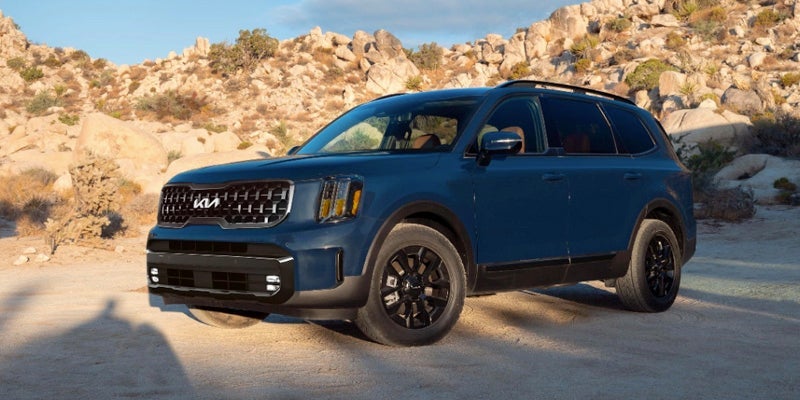


 Warranties include 10-year/100,000-mile powertrain and 5-year/60,000-mile basic. All warranties and roadside assistance are limited. See retailer for warranty details.
