

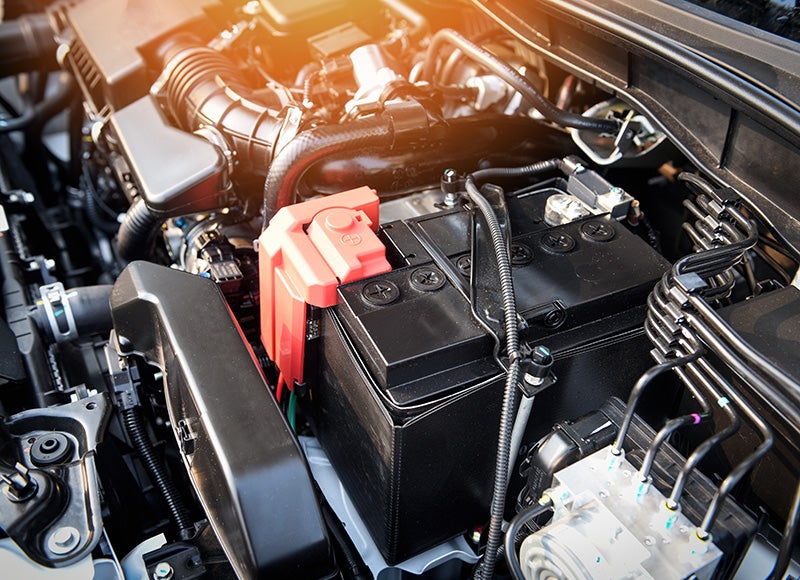
If your Kia won't start but the lights come on, the problem may still be related to the battery. Your headlights, dashboard lights, and radio need much less electrical power than the starter motor requires to turn over an engine. A weak 12-volt battery may have enough energy to operate those accessories but not enough to start your vehicle. However, starter motor problems, corroded battery terminals, and electrical system faults can cause similar symptoms.
For drivers around Auburn, Kent, Pacific, and Algona, discovering that your Kia won't start can disrupt your commute or daily routine. Cooler temperatures and damp conditions in Western Washington may also make existing battery or electrical problems more noticeable. Understanding the difference between clicking sounds, slow cranking, and a complete no-start condition can help you determine when professional diagnostics are needed.
Quick Answer: Why Does My Kia Have Power but Won't Start?
If your Kia's lights work but the engine won't start, possible causes include a weak 12-volt battery, loose or corroded battery connections, a failing starter motor, or another electrical problem. Rapid clicking often suggests insufficient electrical power, while a single click may point toward the starter or its circuit. If the engine turns over normally but doesn't start, the cause may involve fuel delivery, ignition, or engine management. A professional diagnosis is the most reliable way to identify the problem.
Why Your Kia's Lights Can Work Even When the Battery Is Weak
Your Kia's 12-volt electrical system supplies power to several components, including interior lighting, dashboard displays, and other accessories. In gasoline-powered vehicles, the battery also provides the substantial electrical current needed by the starter motor to crank the engine.
This difference in power requirements explains why working headlights don't necessarily mean your battery is healthy. A battery may still have enough charge to illuminate the dashboard while lacking the ability to supply the higher current needed for engine starting.
A battery can also show a seemingly normal voltage reading but perform poorly under load. This is why professional battery testing is more informative than simply checking whether your lights turn on.
If your Kia starts slowly, makes clicking sounds, or requires repeated attempts, having the battery and starting system inspected may help prevent an unexpected breakdown.
What Different Starting Sounds Can Tell You About Your Kia
One of the most useful clues is what happens when you turn the key or press your Kia's start button. The sound doesn't provide a definite diagnosis, but it can help narrow down the possible causes.
| What You Notice | Possible Causes | Recommended Action |
|---|---|---|
| Rapid clicking when starting | Weak battery, poor battery connection, or insufficient electrical power | Have the battery and connections tested |
| One loud click but no cranking | Starter motor, starter relay, or electrical connection problem | Schedule starting-system diagnostics |
| Engine cranks slowly | Weak battery, poor electrical connections, or another starting-system issue | Request battery and starter testing |
| Lights work, but nothing happens | Starter circuit, battery connection, ignition, or start authorization issue | Check basic starting conditions and arrange diagnostics if unresolved |
| Engine cranks normally but won't start | Fuel delivery, ignition, sensors, or engine management issue | Request professional engine diagnostics |
These symptoms are general guidelines for gasoline-powered vehicles. Hybrid and electric Kia models can have different starting procedures and may not make traditional engine-cranking sounds.
Common Reasons Your Kia Won't Start Even Though the Lights Come On
1. A Weak or Discharged 12-Volt Battery
A weak battery is one of the most common explanations for a Kia that has electrical power but struggles to start. Automotive batteries gradually lose their ability to store and deliver energy as they age.
Frequent short trips, extended periods of inactivity, electrical accessories left running, and temperature changes can contribute to battery problems.
Common symptoms of a weakening battery include:
- Slow or hesitant engine cranking.
- Rapid clicking during a start attempt.
- Dashboard lights dimming noticeably while attempting to start.
- Repeatedly needing a jump-start.
- Starting problems that become more frequent over time.
Many conventional automotive batteries last approximately three to five years, although actual lifespan varies considerably. If your Kia's battery is getting older or showing these symptoms, a professional battery test can help determine whether replacement is needed.
2. Corroded or Loose Battery Terminals
Even a battery with sufficient charge may be unable to start your Kia if electrical connections are loose, damaged, or heavily corroded.
Battery terminal corrosion can sometimes appear as a white, blue, or greenish buildup around the connection points. Corrosion increases electrical resistance and may interfere with the flow of current required for starting.
Loose battery cables or poor ground connections can produce similar symptoms. Your dashboard may illuminate normally, yet the starter may receive insufficient power when you attempt to start the engine.
If you notice visible corrosion or damaged wiring, have the connections inspected. Avoid working on battery terminals or cables unless you have the appropriate knowledge, equipment, and vehicle-specific instructions.
3. A Faulty Starter Motor or Starter Relay
The starter motor is responsible for turning the engine during the starting process in conventional gasoline-powered vehicles. If the starter fails, the engine may not crank even when the battery has sufficient power.
A single clicking sound followed by silence can sometimes point toward a starter motor or starter circuit issue. However, poor wiring connections and battery problems may cause similar sounds.
Starter-related problems can also be intermittent. Your Kia may start normally on one occasion but fail to crank on another.
Because starter diagnosis may involve specialized electrical testing, it's best to have the system evaluated before replacing components.
4. Charging System Problems
Your Kia's charging system helps maintain battery power while the vehicle operates. In many gasoline-powered Kia models, an alternator provides electrical energy and recharges the 12-volt battery.
If the alternator or another charging system component is malfunctioning, the battery may gradually lose its charge. You might successfully jump-start the vehicle only to discover that it struggles to restart later.
Signs that may indicate charging system problems include:
- A battery or charging system warning light.
- Headlights that flicker or dim unexpectedly.
- Repeated battery discharge.
- Electrical accessories behaving abnormally.
- A vehicle that stalls or shuts down because of insufficient electrical power.
Replacing the battery alone may not solve the problem if the charging system is responsible for the discharge. Battery and charging system testing can help identify the underlying cause.
5. Other Electrical or Starting System Issues
Not every no-start condition is caused by the battery or starter. Depending on your Kia's model and equipment, additional possibilities include ignition switch faults, starter relays, wiring problems, and electronic start authorization systems.
For example, a push-button-start Kia may not recognize the key fob, or the vehicle may not detect the required brake pedal input. A problem with the Park position recognition system can also prevent starting.
If the engine turns over normally but refuses to start, the problem may instead involve fuel delivery, ignition components, or sensors used by the engine management system.
These situations require a different diagnostic approach than a simple battery replacement.
Can Cold and Rainy Weather Cause Kia Starting Problems?
Cooler temperatures can reduce the power a conventional automotive battery can deliver, making an already weak battery more likely to struggle when starting the engine.
Western Washington's fall and winter weather often brings cool mornings, frequent rainfall, and damp conditions. Drivers around Auburn, Kent, Pacific, and Algona may notice starting difficulties more often during these months.
Rain itself does not normally drain a healthy, properly functioning car battery. However, moisture exposure can contribute to corrosion or aggravate existing problems involving compromised electrical connections.
Vehicles that sit unused for several days or are driven primarily on short trips may also be more vulnerable to low battery charge, especially if the battery is older.
Having your battery tested before colder weather arrives can help identify declining performance before it causes a no-start condition.
What Should You Do If Your Kia Won't Start?
If your Kia has power but won't start, there are several basic observations you can make before requesting professional assistance. Avoid repeatedly cranking the engine or attempting electrical repairs without the proper knowledge.
- Confirm the vehicle is in Park. Make sure the transmission is in Park and follow the starting instructions in your owner's manual.
- Check the key fob. If your Kia uses push-button starting, look for any message indicating that the smart key is not detected. Consult the owner's manual for the backup starting procedure.
- Listen to the starting sound. Notice whether you hear rapid clicking, a single click, slow cranking, or no sound at all. This information can help a technician narrow down potential causes.
- Observe the dashboard. Watch for warning lights or messages, particularly those related to the battery, charging system, or vehicle security.
- Look for obvious battery problems. If your conventional 12-volt battery is safely visible, check for obvious corrosion, damage, or loose connections without touching the components.
- Arrange professional assistance. If the vehicle still will not start, a trained technician can test the battery, connections, starter, and related systems to identify the cause.
Important Battery Safety Reminder
Jump-starting procedures vary by Kia model and powertrain. Always follow your specific owner's manual, and seek qualified roadside assistance if you're unsure of the correct procedure.
Do not attempt to jump-start a battery that is visibly swollen, leaking, cracked, or otherwise damaged. Never attempt to push-start an automatic transmission vehicle.
If your vehicle is stranded somewhere unsafe or cannot be driven reliably, arrange roadside assistance or towing rather than attempting to drive it to a service center.
Do Kia Hybrid and Electric Vehicles Have the Same Starting Problems?
Kia hybrid and electric vehicles also rely on low-voltage electrical systems, but their starting procedures differ from those of traditional gasoline-powered models.
For example, some Kia Niro Hybrid configurations include a 12V Battery Reset button designed to reconnect the low-voltage supply when the vehicle's battery protection system has activated.
Fully electric Kia vehicles do not use a conventional gasoline engine starter motor. Instead, a low-voltage electrical problem may prevent the vehicle from entering its ready-to-drive state or operating certain electronic systems.
Because battery locations, starting procedures, and electrical architectures vary, drivers should consult the owner's manual for their exact Kia model and model year.
Never attempt to inspect, disconnect, or repair high-voltage components in a hybrid or electric vehicle. These systems require specialized training and equipment.
How Does a Technician Diagnose Kia Battery and Starting Problems?
When a Kia experiences intermittent starting problems or repeatedly loses electrical power, a professional inspection can help determine which component is responsible.
Depending on the vehicle and symptoms, a diagnostic evaluation may involve:
- 12-volt battery testing: Evaluating battery condition and its ability to supply adequate electrical power.
- Electrical connection inspection: Checking for corrosion, loose terminals, damaged wiring, or poor ground connections.
- Starting system testing: Assessing the starter motor, relays, and associated circuits when applicable.
- Charging system evaluation: Determining whether the battery receives appropriate charging power.
- Electronic diagnostics: Checking applicable vehicle systems and diagnostic trouble codes when necessary.
The goal is to determine why the starting problem occurred, rather than automatically replacing the battery without confirming the cause.
At Sunset Kia of Auburn's Service Department , Kia-trained technicians provide battery service, maintenance, and vehicle diagnostics. Drivers can describe their symptoms when scheduling an appointment to help the service team plan the appropriate evaluation.
When Should You Schedule Kia Battery Service?
You don't necessarily need to wait until your Kia refuses to start before having its battery inspected.
Consider scheduling battery or electrical system service if you notice any of the following:
- Your engine regularly takes longer than normal to start.
- You hear repeated clicking when attempting to start.
- The battery frequently loses its charge.
- Your Kia needs repeated jump-starts.
- Warning lights or unusual electrical behavior appear.
- You notice significant battery terminal corrosion.
- Your conventional 12-volt battery is several years old and has not been tested recently.
Identifying a weak battery or charging issue early may help reduce the risk of unexpected starting problems during your commute or weekend travel.
Frequently Asked Questions About Kia Starting Problems
Can my Kia battery be dead if the headlights still work?
Yes. Headlights and interior accessories require much less electrical current than an engine starter. A weak 12-volt battery may still operate the lights while being unable to crank the engine. Battery testing can help confirm whether insufficient power is the cause.
Why does my Kia click but not start?
Rapid clicking can indicate a weak battery or poor electrical connection. A single click may suggest a starter motor, relay, or related circuit problem. Because these symptoms overlap, professional diagnosis may be needed.
Why won't my Kia start after sitting overnight?
A weak battery, parasitic electrical draw, aging battery components, or a charging system problem may cause starting difficulties after a vehicle sits overnight. Cooler temperatures can make an existing battery problem more noticeable.
Does a Kia that starts after a jump need a new battery?
Not necessarily. A successful jump-start may indicate insufficient battery charge, but the underlying cause could be battery deterioration, charging system trouble, or another electrical issue. Testing is recommended before deciding whether replacement is necessary.
How do I know if my Kia starter or battery is bad?
A weak battery often causes slow cranking or rapid clicking, while a starter problem may cause a single click or no cranking despite working dashboard lights. These aren't definitive tests. A technician can evaluate the battery and starter to determine the cause.
Where can I schedule Kia battery service near Kent, Pacific, or Algona?
Sunset Kia of Auburn provides Kia battery service and vehicle diagnostics in Auburn, WA, for drivers from Kent, Pacific, Algona, and nearby communities. You can request a Kia service appointment online or contact the service department to explain your vehicle's symptoms.
Schedule Kia Battery Testing and Electrical Service at Sunset Kia of Auburn
A Kia that won't start despite having working lights can be frustrating, especially when you need dependable transportation for your daily commute. Whether the cause is a weak battery, faulty starter, poor electrical connection, or charging system problem, identifying the issue is the first step toward a reliable repair.
Sunset Kia of Auburn serves drivers throughout Auburn, Kent, Pacific, Algona, and surrounding Western Washington communities. Our service department provides Kia maintenance, battery replacement, and diagnostic services to help address starting concerns.
Before your visit, you can also review our current Kia service and parts specials to check whether any available offers apply to your vehicle's maintenance needs.
This article provides general educational information and is not a substitute for professional vehicle diagnosis. Starting and electrical systems vary by Kia model, model year, and powertrain. Follow your vehicle's owner's manual and seek qualified assistance for battery or electrical repairs. If your vehicle is unsafe to operate, arrange roadside assistance or towing.


 Warranties include 10-year/100,000-mile powertrain and 5-year/60,000-mile basic. All warranties and roadside assistance are limited. See retailer for warranty details.

