


The right SUV interior should accommodate your daily routine without requiring constant rearranging. That might mean space for a rear-facing child seat, an accessible place to charge a phone, or enough cargo room for a stroller and groceries at the same time. The 2027 Kia Sportage Hybrid interior offers a useful starting point with reclining rear seats, flexible cargo arrangements, and available comfort upgrades. At Sunset Kia of Auburn, walk through the cabin from front to back and try the features with your own passengers and gear in mind. Start With Your Driving Position and Displays The Sportage Hybrid includes a 12.3-inch touchscreen with wireless Apple CarPlay and Android Auto compatibility. An available 12.3-inch digital instrument cluster expands the display setup, while built-in navigation availability depends on equipment. Before evaluating the screens, adjust your seat and steering wheel. Check whether you can read driving information comfortably and reach the touchscreen without leaning forward. Then connect your compatible phone. Open your preferred navigation app, choose some music, and try returning to the main screen. Smartphone functions require compatible devices, and certain apps need mobile data or separate subscriptions. Consider the smaller details, too. Place your usual water bottle in the cupholder, check where your phone rests, and see whether a passenger can access storage without interfering with the driver. Learn the Climate Controls While Parked Dual-zone automatic climate control lets the driver and front passenger select different temperatures. Rear climate vents help direct airflow toward second-row passengers. The multifunction control panel beneath the touchscreen switches between audio and climate functions. Ask your consultant to demonstrate that switch, then adjust the temperature, fan speed, and windshield defrost yourself. Pay attention to which mode is active before turning a knob. Heated seats, ventilated seats, and other comfort equipment vary by trim. Try the controls on the specific Sportage Hybrid you’re considering rather than assuming every vehicle has the same setup. Check Rear-Seat Comfort With the Front Seats in Use The second row offers reclining seatbacks and a 60/40 split-folding arrangement. Adjust the seatback angle and check knee room, foot space, and headroom with the front seats positioned for the people who will normally use them. For households with children, bring your actual child seat. Check access to the appropriate anchors, follow both installation manuals, and confirm that the front passenger still has a comfortable seating position once the child seat is properly installed. If you regularly carry adults, have someone sit in the rear during your visit. A legroom measurement cannot tell you whether the seat cushion, doorway, or headroom feels comfortable to that person. Locate Charging Ports Before Choosing a Trim USB-C charging connections support everyday device use, while additional seatback-mounted ports and wireless phone charging depend on equipment. Bring your charging cable and check the port locations in the vehicle you’re considering. Can rear passengers reach a connection easily? Will the cable cross a cupholder or stretch across someone’s legs? If equipped with wireless charging, test your compatible phone with its usual case. Phone placement and case design can affect charging, so a quick demonstration is more useful than simply confirming that a charging pad is present. Load the Cargo Area the Way You Actually Use It Kia lists up to 39.5 cubic feet behind the rear seats and 73.7 cubic feet with them folded, measured with the dual-level cargo floor in its lower position. The split rear seat lets you fold one section while retaining seating on the other side. Bring a stroller, sports bag, or another item you routinely carry. Load it with the rear seats upright first. Check the opening width, loading height, and remaining room for groceries or backpacks. Ask how the cargo floor positions change the loading surface. Then fold a seat section and check whether the resulting arrangement works for your longer items. An available Smart Power Liftgate adds convenience when your hands are full. If equipped, ask for a demonstration of its opening-height adjustment and Smart Key operation, especially if you park in a garage with limited overhead clearance. Bring a Short Cabin Checklist Fit your child seat and recheck front-passenger comfort. Load your stroller with the rear seats upright. Try the rear-seat recline and split-folding controls. Connect your phone and locate passenger charging ports. Switch between audio and climate controls while parked. Confirm the exact display, seating, and liftgate equipment. Explore hybrid and electric inventory at Sunset Kia of Auburn to identify vehicles worth comparing. Then schedule a test drive and bring the everyday items that will help you decide which Kia Sportage Hybrid features make a practical difference.

Kia Tire Replacement: How to Choose Tires for Auburn Rain, Highway Driving, and Occasional Snow
Choosing replacement tires starts with your Kia and the roads you use most. A commuter traveling on wet highways may prioritize different qualities than someone making regular winter trips into the mountains. When considering Kia tire replacement in Auburn, WA, look beyond price and tread-life warranties. Wet-road performance, seasonal traction, correct fitment, and the condition of your current tires all deserve attention. Check Tread Depth and Tire Condition First A tire inspection should include tread measurements at several points across each tire. Uneven wear can reveal a need to check inflation, alignment, or suspension components before installing a replacement set. Tires should be replaced when tread reaches 2/32 inch. However, that minimum is not a target for wet-weather performance. As tread wears, its ability to move water away from the contact area decreases. Ask whether your remaining tread is appropriate for your usual rainy-weather driving. Also look for sidewall bulges, cracks, cuts, or recurring pressure loss. A tire can need replacement because of damage even when its tread still looks substantial. Check tire pressure when the tires are cold, using the vehicle’s placard rather than the maximum pressure printed on the tire sidewall. Tire Age Matters Even With Low Mileage Tires age whether you drive every day or leave the vehicle parked frequently. The final four digits of the DOT identification number indicate the manufacturing week and year. For example, 2422 means the tire was manufactured during the 24th week of 2022. Age should be evaluated alongside condition, use, and the replacement guidance from Kia and the tire manufacturer. Plenty of tread does not automatically mean an older tire remains suitable. Include the spare tire in that conversation if your vehicle has one. Compare All-Season and All-Weather Tires All-season tires balance dry-road handling, wet traction, ride comfort, and light-snow capability. They can suit drivers whose winter travel is limited and who can avoid driving during heavier snow or ice. All-weather tires are designed for year-round use with additional snow capability. Look for the three-peak mountain snowflake symbol, which indicates that the tire meets a standardized snow-traction requirement. An M+S marking alone does not establish the same tested capability. For Kia tires for wet weather, compare the specific tire’s wet braking and water-management performance. The all-weather label does not automatically mean a tire performs better in rain than every all-season alternative. If mountain travel, prolonged cold, or frequent snow is part of your routine, discuss a dedicated winter set. Neither a snow rating nor AWD guarantees grip on ice. Match the Tire to Your Highway Routine Tell your advisor whether you primarily drive local streets, commute on highways, or carry passengers and luggage on longer trips. Ask how the recommended tires balance wet traction, road noise, steering response, and ride comfort. A long tread-life warranty is useful, but it does not describe every aspect of performance. Compare tires in the correct size with similar intended uses, and ask about maintenance requirements attached to their warranties. Regardless of tire choice, reduce speed and increase following distance in heavy rain. Standing water can overwhelm available traction even with new tires. Confirm Sizing and AWD Requirements Replacement tires must meet the specifications for your Kia’s model, year, trim, and wheel package. Have the advisor confirm size, load capacity, speed rating, and any approved alternatives. Some vehicles use different front and rear sizes, so do not assume every Kia takes four identical tires. AWD vehicles need particular attention to matching tires and rolling circumference. Differences caused by tire design or wear can affect drivetrain operation. If only one tire is damaged, ask the technician to measure the remaining tires and check your model’s requirements before deciding how many to replace. The answer should come from the vehicle’s specifications and measured tire condition, rather than a blanket rule for every AWD Kia. Bring These Details to Your Tire Consultation Your Kia’s model, year, trim, and VIN. Your usual routes and expected winter travel. Any vibration, pulling, pressure loss, or recent pothole impact. Your priorities for wet traction, comfort, noise, and budget. Available tire purchase, rotation, and alignment records. Ask for tread measurements, an explanation of any uneven wear, and an itemized replacement quote. Confirm whether mounting, balancing, tire-pressure sensor service, disposal, and an alignment check are included or priced separately. Explore Kia service at Sunset Kia of Auburn, then schedule a tire inspection and replacement consultation. Bring your driving needs so the team can help you compare suitable options for your vehicle.





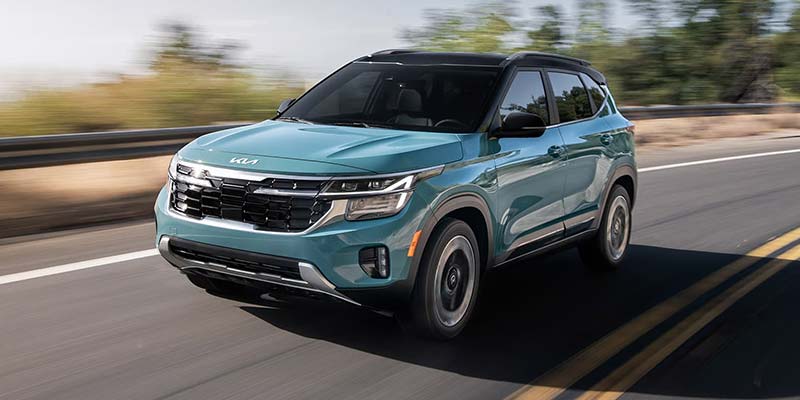

 Warranties include 10-year/100,000-mile powertrain and 5-year/60,000-mile basic. All warranties and roadside assistance are limited. See retailer for warranty details.
