

If your Kia shakes when braking, the problem may involve uneven brake rotor wear, a sticking brake caliper, worn suspension components, or another issue affecting how the vehicle slows down. Steering wheel vibration and brake pedal pulsation are common symptoms, particularly when braking from highway speeds. For Kia drivers in Auburn, WA, understanding when the shaking occurs can help narrow down the possible causes and determine when to schedule a brake inspection.
Schedule Kia Brake Service Explore Kia Brake Services
Why Does My Kia Shake When I Press the Brakes?
One of the most common causes of shaking during braking is uneven brake rotor thickness or irregular contact between the brake pads and rotors. These conditions can create changes in braking force as the wheels rotate, producing vibrations that travel through the steering wheel, brake pedal, or vehicle body.
For example, you might notice your Kia Sportage driving smoothly along Highway 167 but developing a noticeable steering wheel shake when slowing down for traffic. Your Kia Sorento might produce a pulsing sensation through the brake pedal when approaching a stoplight.
Although both symptoms may involve the braking system, their causes are not always identical. Understanding where and when the vibration occurs is an important starting point for diagnosis.
1. Uneven Brake Rotors and Brake Pedal Pulsation
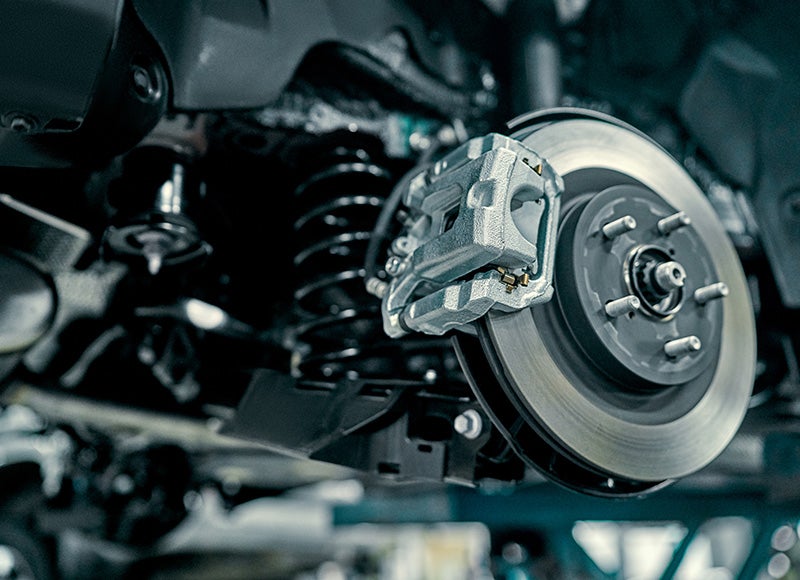
Brake rotors are metal discs that rotate with your wheels. When you press the brake pedal, the brake pads create friction against the rotors to slow the vehicle.
For smooth braking, the rotor surfaces need to remain within the manufacturer's specifications for thickness and alignment.
Over time, uneven rotor wear, thickness variation, or irregular brake pad material deposits can cause changes in braking force. This may produce a repeating vibration or pulsing sensation when the brakes are applied.
People frequently describe this condition as having "warped brake rotors." However, brake vibration is often caused by uneven rotor thickness or surface conditions rather than a rotor physically bending from heat.
Common Signs of Brake Rotor Problems
- Steering wheel shaking when slowing down from highway speeds.
- A repeating pulsing sensation through the brake pedal.
- Vibration that becomes more noticeable as the brakes are applied.
- Shaking that occurs during braking but disappears while cruising.
- Changes in braking smoothness over time.
For drivers traveling between Auburn and Kent, recurring vibration when slowing down from Highway 167 may indicate that the rotors need professional inspection.
A technician can measure rotor thickness variation and lateral runout to determine whether rotor service or replacement is necessary. Brake pads and associated components should also be evaluated.
2. Sticking Brake Calipers and Uneven Brake Pad Wear
Brake calipers hold the brake pads and apply pressure against the rotors when you brake. If a caliper piston or slide mechanism begins sticking, the pads may not apply or release pressure properly.
This can cause uneven brake pad wear, excessive heat, and changes in braking performance.
Possible symptoms of a sticking brake caliper include:
- The vehicle pulling toward one side during braking.
- Uneven brake pad wear between wheels.
- A burning smell near a wheel after driving.
- Unusual grinding or scraping noises.
- Excessive heat around one wheel.
- Brake vibration associated with uneven rotor wear.
A sticking caliper can sometimes keep a brake pad in contact with the rotor even when the brake pedal is released. This creates additional friction and heat, which may eventually contribute to rotor damage.
If your Kia pulls noticeably to one side while braking around Bonney Lake or Federal Way, a brake inspection can help determine whether a caliper or another braking component is responsible.
Important: If you notice smoke, a strong burning smell, or a wheel that appears dangerously overheated, stop driving safely and arrange professional assistance.
3. Worn Steering and Suspension Components
Not every braking vibration originates in the brakes themselves. Your Kia's steering and suspension systems help maintain wheel stability and keep the tires properly positioned as the vehicle accelerates, turns, and stops.
Components such as control arm bushings, ball joints, tie rods, and wheel bearings can develop wear over time.
When these parts become loose or damaged, braking forces may make the resulting movement or vibration more noticeable.
Warning signs can include:
- Steering wheel movement or shaking during braking.
- Clunking noises when driving over bumps.
- Loose or imprecise steering.
- Uneven tire wear.
- Changes in how the vehicle handles while turning or slowing down.
For drivers navigating uneven pavement, potholes, and residential streets around Auburn, steering and suspension wear may become more apparent during braking or when traveling over road imperfections.
Because suspension problems can affect vehicle control, these symptoms should be evaluated rather than assuming that replacing brake pads will resolve the shaking.
4. Tire and Wheel Problems That Feel Like Brake Vibration
Unbalanced tires, bent wheels, and uneven tread wear can also cause vehicle vibration. However, these problems often produce different symptoms from brake-related shaking.
If your Kia shakes primarily when pressing the brake pedal, the braking system deserves particular attention. If it shakes while cruising at highway speeds without braking, tire and wheel problems may be more likely.
For example, a Kia K5 that vibrates at 65 mph along Highway 18 but stops vibrating at lower speeds may have a tire or wheel imbalance.
By comparison, a Kia Telluride that drives smoothly at highway speeds but shakes when slowing down may have a brake rotor or related braking concern.
These patterns are helpful clues, not definitive diagnoses. Tire, wheel, brake, and suspension problems can overlap, and more than one condition may be present.
Steering Wheel Shake vs. Brake Pedal Pulsation: What Do the Symptoms Mean?
The location and timing of the vibration can help a service technician determine which components to inspect.
| Symptom | Possible Cause | What to Inspect |
|---|---|---|
| Steering wheel shakes while braking | Front brake rotor variation, steering or suspension wear | Front brakes, steering and suspension components |
| Brake pedal repeatedly pulses during normal braking | Rotor thickness variation or irregular braking force | Brake rotors, pads, and related components |
| Vehicle pulls to one side while braking | Sticking caliper, uneven braking force, or other mechanical concerns | Calipers, pads, hydraulics, tires, and suspension |
| Vehicle vibrates while cruising without braking | Tire imbalance, bent wheel, tire damage, or suspension issue | Tires, wheels, steering, and suspension |
| Grinding noise with vibration | Possible brake component wear or damage | Brake pads, rotors, calipers, and associated hardware |
| Vibration began after brake replacement | Rotor runout, installation-related issues, or another unresolved problem | Recently serviced components and related systems |
Because multiple problems can create similar symptoms, professional diagnosis is important before replacing parts.
Why Does My Kia Shake When Braking at Highway Speeds?
Brake vibration can become more noticeable when slowing down from higher speeds because the braking system is managing greater vehicle energy.
If the rotors have thickness variation or another condition that causes inconsistent braking force, the resulting vibration may be especially noticeable during deceleration.
For example, someone commuting from Federal Way to Auburn may experience steering wheel shaking when slowing down for congested traffic on Highway 18.
Although the vibration may become less noticeable at lower speeds, that does not necessarily mean the underlying problem has disappeared.
Persistent shaking should be inspected before it becomes more severe or affects other components.
Can Bad Brake Pads Cause Your Kia to Shake?
Brake pads can contribute to vibration, particularly when they wear unevenly, develop irregular friction surfaces, or interact with damaged rotors.
However, replacing brake pads alone may not resolve a braking vibration.
For example, if the rotors have excessive thickness variation, installing new pads without addressing the rotor condition may leave the original vibration unresolved.
Similarly, if a sticking caliper caused uneven pad wear, replacing the pads without correcting the caliper problem may allow the same issue to return.
A complete brake inspection can help determine whether the vehicle needs brake pads, rotor service, caliper repair, or another procedure.
Learn more about the available inspections and repairs through our Kia brake service department in Auburn.
Is Brake Pedal Pulsation Ever Normal?
Not every pulsing sensation indicates a mechanical problem.
During hard braking or on slippery roads, your Kia's Anti-lock Brake System (ABS) may activate to help prevent wheel lockup. When ABS operates, drivers may feel rapid pulsing through the brake pedal.
This can be a normal characteristic of ABS operation.
However, repeated pedal pulsation during ordinary braking on dry, smooth pavement is different and may indicate a braking system problem.
If the ABS warning light remains illuminated or the system behaves unexpectedly during normal driving, schedule a professional inspection.
When Should You Schedule a Kia Brake Inspection?
Brake vibration should not be ignored, particularly if the symptoms are recurring or becoming more pronounced.
Schedule an inspection if you notice:
- Steering wheel shaking whenever you apply the brakes.
- A pulsing brake pedal during routine stops.
- Grinding, scraping, or unusual braking noises.
- Your Kia pulling to one side when stopping.
- Changes in brake pedal feel.
- Vibration that continues after recent brake work.
- A brake or ABS warning light.
Persistent vibration may indicate a developing problem that deserves attention even if the vehicle still appears to stop normally.
If your Kia has significantly reduced braking ability, a brake pedal that sinks unexpectedly, severe shaking, or signs of an overheated brake, stop driving as soon as it is safe and arrange roadside assistance.
What Happens During a Professional Kia Brake Inspection?
When investigating brake vibration, a technician may perform several checks based on the symptoms and vehicle condition.
Possible inspection steps include:
- Brake rotor inspection: Checking rotor condition, thickness, and runout.
- Brake pad inspection: Evaluating remaining friction material and identifying uneven wear.
- Brake caliper inspection: Looking for sticking components, damaged hardware, or improper operation.
- Steering and suspension inspection: Checking for worn or loose parts that may contribute to vibration.
- Tire and wheel inspection: Evaluating damage, uneven wear, and other conditions that may produce shaking.
- Brake system diagnostics: Investigating relevant warning lights or electronic braking concerns when necessary.
Depending on the findings, recommended service might involve brake pad replacement, rotor resurfacing or replacement where appropriate, caliper repairs, or another procedure.
At Sunset Kia of Auburn's service department, our team can inspect your Kia's braking system and help identify the source of unusual vibration.
Frequently Asked Questions About Kia Brake Vibration
Why does my Kia steering wheel shake when I brake?
Steering wheel shaking during braking is commonly associated with uneven brake rotor thickness or changes in braking force. Worn steering and suspension components can also contribute. A brake and suspension inspection can help identify the cause.
Can uneven brake rotors cause shaking at highway speeds?
Yes. Rotor thickness variation can create vibration when braking from highway speeds. If your Kia shakes while cruising without applying the brakes, tire balance, wheel damage, and other mechanical problems should also be considered.
Why does my Kia shake after getting new brakes?
Vibration after brake replacement may indicate an unresolved rotor problem, excessive rotor runout, an installation-related issue, or another mechanical condition. Have the serviced components inspected rather than assuming the new pads need time to break in.
Will replacing brake pads stop my Kia from shaking?
Not always. If the vibration is caused by uneven rotors, a sticking caliper, or worn suspension components, replacing brake pads alone may not correct the problem. The underlying cause should be identified before deciding on repairs.
Is it safe to drive my Kia if it shakes when braking?
Recurring brake vibration warrants prompt inspection because the cause cannot be determined from symptoms alone. If braking performance is reduced, the vehicle becomes difficult to control, or you notice severe shaking, smoke, or a burning smell, stop safely and arrange assistance rather than continuing to drive.
Can Sunset Kia of Auburn inspect my brakes?
Yes. Sunset Kia of Auburn provides brake inspections and related services, including brake pad, rotor, and caliper evaluations. Our service team can help determine whether the shaking originates from the braking system or another vehicle component.
Schedule Kia Brake Service in Auburn, WA
If your Kia shakes when braking, the problem may involve worn or uneven brake rotors, sticking calipers, suspension wear, or another mechanical condition. Identifying the cause early can help address potential safety concerns and prevent unnecessary parts replacement.
At Sunset Kia of Auburn, our service team can help drivers investigate brake vibration, unusual brake noises, and changes in stopping performance.
Located at 3401 Auburn Way North in Auburn, WA, our dealership serves Kia owners throughout Kent, Bonney Lake, Federal Way, and surrounding communities.
Whether your Kia Sportage shakes when slowing down on Highway 167, your Sorento develops brake pedal pulsation, or your K5 experiences steering wheel vibration, our team can help determine the appropriate next steps.
Explore our current service and parts specials for applicable offers, or schedule an appointment to have your braking system inspected.
Schedule Kia Brake Service Learn About Kia Brake Service
This article provides general vehicle maintenance information and is not a substitute for professional diagnosis. Brake vibration symptoms can result from multiple mechanical conditions. Vehicle-specific procedures and recommended repairs vary by model and equipment. If braking performance is significantly reduced or the vehicle becomes unsafe to operate, stop driving safely and seek professional assistance.



 Warranties include 10-year/100,000-mile powertrain and 5-year/60,000-mile basic. All warranties and roadside assistance are limited. See retailer for warranty details.

