
Today: 9:00AM - 8:00PM
Blog / Auburn Kia Dealer

2027 Kia K4 GT-Line vs. GT-Line Turbo: Comparing Engine Performance, Fuel Economy, Technology, and Everyday Driving

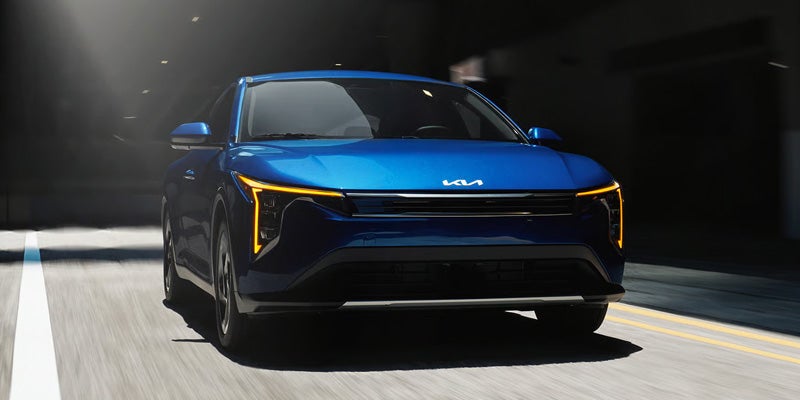
Kia K4

The 2027 Kia K4 GT-Line and GT-Line Turbo combine sporty styling, modern technology, and everyday practicality, but they offer different driving experiences. The GT-Line features a fuel-efficient 2.0L four-cylinder engine producing 147 horsepower, while the GT-Line Turbo upgrades to a 1.6L turbocharged engine delivering 190 horsepower and stronger acceleration. Both include sport-tuned suspension and distinctive exterior styling, making the decision largely about performance, fuel economy, and available technology. For drivers comparing the 2027 Kia K4 GT-Line vs. GT-Line Turbo in Auburn, WA, understanding these differences can help determine which sedan better fits daily commuting and weekend driving.

Shop New Kia K4 Inventory Schedule a Test Drive

2027 Kia K4 GT-Line vs. GT-Line Turbo: Key Differences

The biggest difference between the 2027 Kia K4 GT-Line and GT-Line Turbo is the powertrain. The standard GT-Line emphasizes fuel efficiency while maintaining sporty styling and responsive handling. The GT-Line Turbo adds 43 horsepower, a traditional eight-speed automatic transmission, and several upgraded technology and comfort features.

Specification 2027 K4 GT-Line 2027 K4 GT-Line Turbo
Engine 2.0L 4-Cylinder 1.6L Turbocharged 4-Cylinder
Horsepower 147 hp 190 hp
Torque 132 lb.-ft. 195 lb.-ft.
Transmission Intelligent Variable Transmission (IVT) 8-Speed Automatic
Drivetrain Front-Wheel Drive Front-Wheel Drive
EPA-Estimated City MPG 29 MPG 26 MPG
EPA-Estimated Highway MPG 39 MPG 33 MPG
EPA-Estimated Combined MPG 33 MPG 28 MPG
Suspension Sport-Tuned Multi-Link Rear Sport-Tuned Multi-Link Rear
Wheels 18-Inch Alloy 18-Inch Black Alloy
Infotainment 12.3-Inch Touchscreen 12.3-Inch Touchscreen with Navigation
Instrument Display 4-Inch Display 12.3-Inch Digital Display
Sunroof Available Standard

Specifications apply to the U.S.-market 2027 Kia K4 sedan. EPA estimates are for the listed configurations. Actual mileage varies by driving conditions, vehicle condition, and driving habits. Features and package availability may vary.

Engine Performance: Is the Kia K4 GT-Line Turbo Faster?

Yes. The 2027 Kia K4 GT-Line Turbo has a more powerful engine than the standard GT-Line. Its additional horsepower and torque provide stronger acceleration, particularly when merging onto highways or passing slower traffic.

2027 Kia K4 GT-Line: 2.0L Four-Cylinder Engine

The GT-Line comes equipped with a naturally aspirated 2.0L four-cylinder engine producing 147 horsepower and 132 lb.-ft. of torque.

This engine is paired with Kia's Intelligent Variable Transmission, which adjusts transmission ratios continuously to balance engine performance and efficiency.

For drivers commuting between Auburn and Kent, the GT-Line provides practical everyday performance for city streets, highway travel, and routine errands.

Its powertrain may especially appeal to shoppers who prioritize efficient transportation and do not regularly need stronger acceleration.

2027 Kia K4 GT-Line Turbo: 1.6L Turbocharged Engine

The GT-Line Turbo features a 1.6L turbocharged four-cylinder engine producing 190 horsepower and 195 lb.-ft. of torque.

Compared with the standard GT-Line, that represents an increase of 43 horsepower and 63 lb.-ft. of torque.

The additional torque can make the Turbo feel more responsive when accelerating onto Highway 167, passing on I-5, or traveling on highway inclines around the Puget Sound region.

Another important difference is the transmission. Rather than using the GT-Line's IVT, the GT-Line Turbo features an eight-speed automatic transmission with conventional gear changes.

Drivers who prefer a more traditional automatic transmission and stronger acceleration may appreciate this combination.

Transmission Differences: IVT vs. Eight-Speed Automatic

The transmission is one of the most meaningful differences between these two K4 trims, even beyond their horsepower ratings.

The GT-Line's Intelligent Variable Transmission is designed to keep the engine operating efficiently across different driving conditions. Instead of using a fixed set of conventional gear ratios, it continuously adjusts the transmission ratio.

The GT-Line Turbo's eight-speed automatic uses distinct gears, providing a different acceleration feel and shifting experience.

Both trims also offer a sport steering wheel with paddle shifters, although the transmission systems respond differently to driver inputs.

For everyday commuting, either setup can work well. A test drive is the most useful way to determine which transmission behavior feels more natural to you.

Fuel Economy: Is the GT-Line More Efficient Than the Turbo?

The 2027 Kia K4 GT-Line delivers better EPA-estimated fuel economy than the GT-Line Turbo. The GT-Line earns an estimated 29 MPG city, 39 MPG highway, and 33 MPG combined.

The GT-Line Turbo is rated at 26 MPG city, 33 MPG highway, and 28 MPG combined.

That difference can matter for drivers who travel substantial distances throughout the week.

For Daily Commuting Around Auburn and Kent

Drivers regularly traveling along Highway 167 or navigating stop-and-go traffic around Auburn may appreciate the standard GT-Line's fuel efficiency.

The GT-Line is particularly worth considering when fuel consumption and transportation costs take priority over additional engine performance.

For Highway Driving Toward Federal Way and Renton

The GT-Line Turbo sacrifices some fuel efficiency in exchange for more horsepower and torque.

For someone who frequently merges onto busy highways, travels longer distances, or prefers stronger acceleration, the tradeoff may be worthwhile.

Neither trim is a hybrid. Both use gasoline engines and front-wheel drive, so shoppers should compare the EPA estimates and expected annual driving costs rather than assuming the turbocharged engine will be more efficient.

Exterior Styling: How Do the GT-Line and GT-Line Turbo Compare?

Both trims emphasize sporty styling, featuring distinctive GT-Line exterior accents and 18-inch wheels. Their overall body design and dimensions are the same.

GT-Line Exterior Features

The GT-Line features 18-inch alloy wheels with a black machined finish, gloss-black exterior accents, and a sport-inspired appearance.

Its fastback-style roofline, distinctive front lighting, and sculpted body panels give the K4 a modern look without requiring the more powerful turbocharged engine.

For Auburn drivers who want a sporty-looking sedan primarily for commuting, the GT-Line provides many of the visual features associated with the higher trim.

GT-Line Turbo Exterior Features

The GT-Line Turbo builds on that design with additional details, including:

  • 18-inch black-finish alloy wheels.
  • Upgraded LED projector headlights.
  • LED fog lights.
  • Upgraded LED rear combination lighting.
  • Standard power sunroof with sunshade.

These enhancements distinguish the Turbo without significantly changing the K4's overall exterior dimensions.

For 2027, Kia also expanded certain exterior and interior color combinations, giving shoppers additional ways to personalize their K4.

Suspension and Handling: Do Both K4 Trims Have Sport-Tuned Suspension?

Yes. Both the 2027 Kia K4 GT-Line and GT-Line Turbo feature a sport-tuned multi-link rear suspension.

This is an important distinction because the GT-Line Turbo is not the only K4 trim offering the upgraded rear suspension.

The multi-link design is engineered to support stability and controlled handling through corners and over changing road surfaces.

For drivers navigating turns around Auburn or commuting along Highway 18, both trims offer the same general suspension architecture.

The Turbo's additional engine output creates a different acceleration experience, but shoppers do not need to select the Turbo solely to obtain the GT-Line's sport-tuned rear suspension.

Interior Comfort and Technology Differences

Both K4 trims offer comfortable five-passenger seating, modern cabin styling, and everyday convenience features.

Standard features shared by both include heated front seats, a power-adjustable driver's seat, SynTex seating surfaces, dual-zone automatic climate control, and wireless phone charging.

2027 K4 GT-Line Interior

The GT-Line includes a 12.3-inch touchscreen with wireless Apple CarPlay and Android Auto compatibility, allowing drivers to access compatible apps, music, and messaging features.

Its sport steering wheel, distinctive interior accents, and available premium features create a comfortable environment for commuting and daily travel.

For drivers who primarily want a spacious sedan with modern technology, the GT-Line provides an appealing combination of equipment without requiring the turbocharged engine.

2027 K4 GT-Line Turbo Interior

The GT-Line Turbo adds several notable technology and comfort upgrades, including:

  • 12.3-inch digital instrument display: Provides a larger, customizable view of driving information.
  • Built-in navigation: Adds integrated route guidance through the infotainment system.
  • Harman Kardon premium audio: Provides an upgraded sound system for music and entertainment.
  • Power sunroof: Adds natural light to the cabin.
  • Rear air vents: Improve airflow for passengers in the back seat.
  • Highway Driving Assist: Provides additional available driving support on compatible highways.

The Turbo also offers an available Technology Package that can add features such as ventilated front seats, a heated steering wheel, a Surround View Monitor, Blind-Spot View Monitor, and Highway Driving Assist 2.

For drivers who regularly travel between Auburn, Federal Way, and Renton, the additional convenience and driver-assistance technology may make the Turbo particularly appealing.

Safety and Driver-Assistance Features

Both 2027 Kia K4 trims include a range of Kia Drive Wise safety and driver-assistance technologies designed to support attentive driving.

Shared features include:

  • Forward Collision-Avoidance Assist.
  • Lane Keeping Assist and Lane Following Assist.
  • Blind-Spot Collision-Avoidance Assist.
  • Rear Cross-Traffic Collision-Avoidance Assist.
  • Driver Attention Warning.
  • Smart Cruise Control with Stop & Go.

The GT-Line Turbo adds Highway Driving Assist as standard equipment. Its available Technology Package further expands the selection of driving and parking assistance features.

These systems can help drivers remain aware of surrounding traffic, but they do not replace attentive driving. Feature operation depends on conditions, and drivers must remain responsible for controlling their vehicles.

Passenger Space and Cargo Capacity

Despite their performance and technology differences, the K4 GT-Line and GT-Line Turbo offer the same basic passenger and cargo dimensions.

Both provide seating for five passengers, approximately 38 inches of rear legroom, and 14.6 cubic feet of trunk space.

That makes either trim practical for transporting groceries, luggage, backpacks, and other everyday belongings.

For example, a household in Kent may appreciate the K4's rear passenger space for family transportation, while a driver commuting from Renton to Auburn may value its combination of trunk space and maneuverable sedan dimensions.

Because the two trims share the same basic interior layout, choosing the Turbo does not provide a significant cargo-space advantage. The decision comes down primarily to engine performance, technology, and equipment.

Which 2027 Kia K4 Trim Is Better for Everyday Driving?

The choice depends on whether efficiency or stronger engine performance matters more to your routine.

Choose the Kia K4 GT-Line If:

  • You prioritize EPA-estimated fuel economy for daily commuting.
  • You prefer the driving characteristics of an Intelligent Variable Transmission.
  • You want sporty exterior styling without upgrading to a turbocharged engine.
  • You appreciate heated seats, a large touchscreen, and sport-tuned suspension.
  • You want to balance comfort, features, and overall ownership costs.

Consider the Kia K4 GT-Line Turbo If:

  • You prefer stronger acceleration and additional engine torque.
  • You want a conventional eight-speed automatic transmission.
  • You frequently merge onto highways or prefer more responsive passing power.
  • You value a larger digital instrument display and integrated navigation.
  • You want standard premium audio, a sunroof, and additional technology.
  • You are interested in available advanced driver-assistance and parking features.

For drivers commuting around Auburn and Kent, the GT-Line offers an efficient and well-equipped option. For those who prioritize performance and premium technology during trips toward Federal Way or Renton, the GT-Line Turbo may be the stronger fit.

Frequently Asked Questions About the 2027 Kia K4 GT-Line and GT-Line Turbo

Is the 2027 Kia K4 GT-Line Turbo faster than the GT-Line?

Yes. The GT-Line Turbo produces 190 horsepower and 195 lb.-ft. of torque, compared with 147 horsepower and 132 lb.-ft. of torque in the standard GT-Line. Its additional power provides stronger acceleration.

Does the Kia K4 GT-Line have a turbocharged engine?

No. The standard 2027 K4 GT-Line uses a naturally aspirated 2.0L four-cylinder engine. The GT-Line Turbo features the more powerful 1.6L turbocharged engine.

Which Kia K4 gets better gas mileage?

The GT-Line offers better EPA-estimated efficiency at 29 MPG city and 39 MPG highway. The GT-Line Turbo is rated at 26 MPG city and 33 MPG highway.

Do both K4 trims have independent rear suspension?

Yes. Both the GT-Line and GT-Line Turbo feature sport-tuned multi-link rear suspension. This suspension setup is not exclusive to the turbocharged model.

Does the 2027 Kia K4 GT-Line Turbo come with AWD?

No. Both the GT-Line and GT-Line Turbo use front-wheel drive. All-wheel drive is not offered on these K4 sedan trims.

Does the GT-Line Turbo have more cargo space?

No. Both sedan trims provide approximately 14.6 cubic feet of trunk space and seating for five passengers. Their primary differences involve performance, transmission design, and equipment.

Compare the 2027 Kia K4 GT-Line and GT-Line Turbo at Sunset Kia of Auburn

The 2027 Kia K4 GT-Line and GT-Line Turbo deliver two different approaches to sporty compact sedan ownership. The GT-Line emphasizes fuel efficiency and everyday convenience, while the GT-Line Turbo adds stronger acceleration, a traditional eight-speed automatic transmission, and upgraded technology.

At Sunset Kia of Auburn, located at 3401 Auburn Way North in Auburn, WA, our team can help drivers from Kent, Federal Way, Renton, and surrounding communities compare available Kia K4 configurations.

Whether you prioritize commuting efficiency, sporty driving characteristics, or premium interior features, exploring both trims in person can help you identify the right sedan for your needs.

Browse our new Kia K4 inventory to compare available models, or schedule a test drive to experience the difference between the GT-Line and GT-Line Turbo.

Browse New Kia K4 Inventory Schedule Your Test Drive

Specifications, standard features, available packages, and vehicle inventory may vary. EPA-estimated fuel economy is based on manufacturer and EPA information; actual results depend on vehicle condition, driving habits, and road conditions. Driver-assistance systems have operational limitations and require attentive driving. Contact the dealership for information about specific vehicles and equipment.
Posted in:

Related Posts

Kia Brakes

Why Does My Kia Shake When Braking? Common Brake Rotor, Caliper, and Suspension Problems Explained

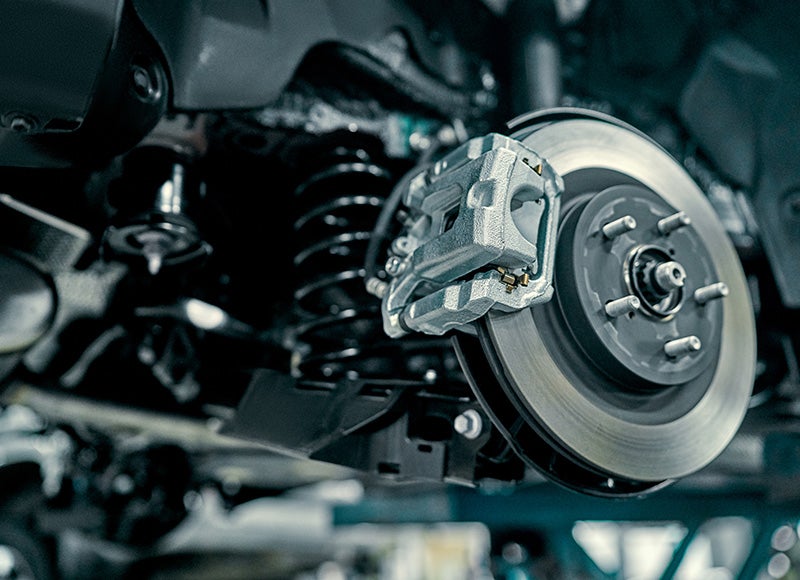
If your Kia shakes when braking, the problem may involve uneven brake rotor wear, a sticking brake caliper, worn suspension components, or another issue affecting how the vehicle slows down. Steering wheel vibration and brake pedal pulsation are common symptoms, particularly when braking from highway speeds. For Kia drivers in Auburn, WA, understanding when the shaking occurs can help narrow down the possible causes and determine when to schedule a brake inspection. Schedule Kia Brake Service Explore Kia Brake Services Why Does My Kia Shake When I Press the Brakes? One of the most common causes of shaking during braking is uneven brake rotor thickness or irregular contact between the brake pads and rotors. These conditions can create changes in braking force as the wheels rotate, producing vibrations that travel through the steering wheel, brake pedal, or vehicle body. For example, you might notice your Kia Sportage driving smoothly along Highway 167 but developing a noticeable steering wheel shake when slowing down for traffic. Your Kia Sorento might produce a pulsing sensation through the brake pedal when approaching a stoplight. Although both symptoms may involve the braking system, their causes are not always identical. Understanding where and when the vibration occurs is an important starting point for diagnosis. 1. Uneven Brake Rotors and Brake Pedal Pulsation Brake rotors are metal discs that rotate with your wheels. When you press the brake pedal, the brake pads create friction against the rotors to slow the vehicle. For smooth braking, the rotor surfaces need to remain within the manufacturer's specifications for thickness and alignment. Over time, uneven rotor wear, thickness variation, or irregular brake pad material deposits can cause changes in braking force. This may produce a repeating vibration or pulsing sensation when the brakes are applied. People frequently describe this condition as having "warped brake rotors." However, brake vibration is often caused by uneven rotor thickness or surface conditions rather than a rotor physically bending from heat. Common Signs of Brake Rotor Problems Steering wheel shaking when slowing down from highway speeds. A repeating pulsing sensation through the brake pedal. Vibration that becomes more noticeable as the brakes are applied. Shaking that occurs during braking but disappears while cruising. Changes in braking smoothness over time. For drivers traveling between Auburn and Kent, recurring vibration when slowing down from Highway 167 may indicate that the rotors need professional inspection. A technician can measure rotor thickness variation and lateral runout to determine whether rotor service or replacement is necessary. Brake pads and associated components should also be evaluated. 2. Sticking Brake Calipers and Uneven Brake Pad Wear Brake calipers hold the brake pads and apply pressure against the rotors when you brake. If a caliper piston or slide mechanism begins sticking, the pads may not apply or release pressure properly. This can cause uneven brake pad wear, excessive heat, and changes in braking performance. Possible symptoms of a sticking brake caliper include: The vehicle pulling toward one side during braking. Uneven brake pad wear between wheels. A burning smell near a wheel after driving. Unusual grinding or scraping noises. Excessive heat around one wheel. Brake vibration associated with uneven rotor wear. A sticking caliper can sometimes keep a brake pad in contact with the rotor even when the brake pedal is released. This creates additional friction and heat, which may eventually contribute to rotor damage. If your Kia pulls noticeably to one side while braking around Bonney Lake or Federal Way, a brake inspection can help determine whether a caliper or another braking component is responsible. Important: If you notice smoke, a strong burning smell, or a wheel that appears dangerously overheated, stop driving safely and arrange professional assistance. 3. Worn Steering and Suspension Components Not every braking vibration originates in the brakes themselves. Your Kia's steering and suspension systems help maintain wheel stability and keep the tires properly positioned as the vehicle accelerates, turns, and stops. Components such as control arm bushings, ball joints, tie rods, and wheel bearings can develop wear over time. When these parts become loose or damaged, braking forces may make the resulting movement or vibration more noticeable. Warning signs can include: Steering wheel movement or shaking during braking. Clunking noises when driving over bumps. Loose or imprecise steering. Uneven tire wear. Changes in how the vehicle handles while turning or slowing down. For drivers navigating uneven pavement, potholes, and residential streets around Auburn, steering and suspension wear may become more apparent during braking or when traveling over road imperfections. Because suspension problems can affect vehicle control, these symptoms should be evaluated rather than assuming that replacing brake pads will resolve the shaking. 4. Tire and Wheel Problems That Feel Like Brake Vibration Unbalanced tires, bent wheels, and uneven tread wear can also cause vehicle vibration. However, these problems often produce different symptoms from brake-related shaking. If your Kia shakes primarily when pressing the brake pedal, the braking system deserves particular attention. If it shakes while cruising at highway speeds without braking, tire and wheel problems may be more likely. For example, a Kia K5 that vibrates at 65 mph along Highway 18 but stops vibrating at lower speeds may have a tire or wheel imbalance. By comparison, a Kia Telluride that drives smoothly at highway speeds but shakes when slowing down may have a brake rotor or related braking concern. These patterns are helpful clues, not definitive diagnoses. Tire, wheel, brake, and suspension problems can overlap, and more than one condition may be present. Steering Wheel Shake vs. Brake Pedal Pulsation: What Do the Symptoms Mean? The location and timing of the vibration can help a service technician determine which components to inspect. Symptom Possible Cause What to Inspect Steering wheel shakes while braking Front brake rotor variation, steering or suspension wear Front brakes, steering and suspension components Brake pedal repeatedly pulses during normal braking Rotor thickness variation or irregular braking force Brake rotors, pads, and related components Vehicle pulls to one side while braking Sticking caliper, uneven braking force, or other mechanical concerns Calipers, pads, hydraulics, tires, and suspension Vehicle vibrates while cruising without braking Tire imbalance, bent wheel, tire damage, or suspension issue Tires, wheels, steering, and suspension Grinding noise with vibration Possible brake component wear or damage Brake pads, rotors, calipers, and associated hardware Vibration began after brake replacement Rotor runout, installation-related issues, or another unresolved problem Recently serviced components and related systems Because multiple problems can create similar symptoms, professional diagnosis is important before replacing parts. Why Does My Kia Shake When Braking at Highway Speeds? Brake vibration can become more noticeable when slowing down from higher speeds because the braking system is managing greater vehicle energy. If the rotors have thickness variation or another condition that causes inconsistent braking force, the resulting vibration may be especially noticeable during deceleration. For example, someone commuting from Federal Way to Auburn may experience steering wheel shaking when slowing down for congested traffic on Highway 18. Although the vibration may become less noticeable at lower speeds, that does not necessarily mean the underlying problem has disappeared. Persistent shaking should be inspected before it becomes more severe or affects other components. Can Bad Brake Pads Cause Your Kia to Shake? Brake pads can contribute to vibration, particularly when they wear unevenly, develop irregular friction surfaces, or interact with damaged rotors. However, replacing brake pads alone may not resolve a braking vibration. For example, if the rotors have excessive thickness variation, installing new pads without addressing the rotor condition may leave the original vibration unresolved. Similarly, if a sticking caliper caused uneven pad wear, replacing the pads without correcting the caliper problem may allow the same issue to return. A complete brake inspection can help determine whether the vehicle needs brake pads, rotor service, caliper repair, or another procedure. Learn more about the available inspections and repairs through our Kia brake service department in Auburn. Is Brake Pedal Pulsation Ever Normal? Not every pulsing sensation indicates a mechanical problem. During hard braking or on slippery roads, your Kia's Anti-lock Brake System (ABS) may activate to help prevent wheel lockup. When ABS operates, drivers may feel rapid pulsing through the brake pedal. This can be a normal characteristic of ABS operation. However, repeated pedal pulsation during ordinary braking on dry, smooth pavement is different and may indicate a braking system problem. If the ABS warning light remains illuminated or the system behaves unexpectedly during normal driving, schedule a professional inspection. When Should You Schedule a Kia Brake Inspection? Brake vibration should not be ignored, particularly if the symptoms are recurring or becoming more pronounced. Schedule an inspection if you notice: Steering wheel shaking whenever you apply the brakes. A pulsing brake pedal during routine stops. Grinding, scraping, or unusual braking noises. Your Kia pulling to one side when stopping. Changes in brake pedal feel. Vibration that continues after recent brake work. A brake or ABS warning light. Persistent vibration may indicate a developing problem that deserves attention even if the vehicle still appears to stop normally. If your Kia has significantly reduced braking ability, a brake pedal that sinks unexpectedly, severe shaking, or signs of an overheated brake, stop driving as soon as it is safe and arrange roadside assistance. What Happens During a Professional Kia Brake Inspection? When investigating brake vibration, a technician may perform several checks based on the symptoms and vehicle condition. Possible inspection steps include: Brake rotor inspection: Checking rotor condition, thickness, and runout. Brake pad inspection: Evaluating remaining friction material and identifying uneven wear. Brake caliper inspection: Looking for sticking components, damaged hardware, or improper operation. Steering and suspension inspection: Checking for worn or loose parts that may contribute to vibration. Tire and wheel inspection: Evaluating damage, uneven wear, and other conditions that may produce shaking. Brake system diagnostics: Investigating relevant warning lights or electronic braking concerns when necessary. Depending on the findings, recommended service might involve brake pad replacement, rotor resurfacing or replacement where appropriate, caliper repairs, or another procedure. At Sunset Kia of Auburn's service department, our team can inspect your Kia's braking system and help identify the source of unusual vibration. Frequently Asked Questions About Kia Brake Vibration Why does my Kia steering wheel shake when I brake? Steering wheel shaking during braking is commonly associated with uneven brake rotor thickness or changes in braking force. Worn steering and suspension components can also contribute. A brake and suspension inspection can help identify the cause. Can uneven brake rotors cause shaking at highway speeds? Yes. Rotor thickness variation can create vibration when braking from highway speeds. If your Kia shakes while cruising without applying the brakes, tire balance, wheel damage, and other mechanical problems should also be considered. Why does my Kia shake after getting new brakes? Vibration after brake replacement may indicate an unresolved rotor problem, excessive rotor runout, an installation-related issue, or another mechanical condition. Have the serviced components inspected rather than assuming the new pads need time to break in. Will replacing brake pads stop my Kia from shaking? Not always. If the vibration is caused by uneven rotors, a sticking caliper, or worn suspension components, replacing brake pads alone may not correct the problem. The underlying cause should be identified before deciding on repairs. Is it safe to drive my Kia if it shakes when braking? Recurring brake vibration warrants prompt inspection because the cause cannot be determined from symptoms alone. If braking performance is reduced, the vehicle becomes difficult to control, or you notice severe shaking, smoke, or a burning smell, stop safely and arrange assistance rather than continuing to drive. Can Sunset Kia of Auburn inspect my brakes? Yes. Sunset Kia of Auburn provides brake inspections and related services, including brake pad, rotor, and caliper evaluations. Our service team can help determine whether the shaking originates from the braking system or another vehicle component. Schedule Kia Brake Service in Auburn, WA If your Kia shakes when braking, the problem may involve worn or uneven brake rotors, sticking calipers, suspension wear, or another mechanical condition. Identifying the cause early can help address potential safety concerns and prevent unnecessary parts replacement. At Sunset Kia of Auburn, our service team can help drivers investigate brake vibration, unusual brake noises, and changes in stopping performance. Located at 3401 Auburn Way North in Auburn, WA, our dealership serves Kia owners throughout Kent, Bonney Lake, Federal Way, and surrounding communities. Whether your Kia Sportage shakes when slowing down on Highway 167, your Sorento develops brake pedal pulsation, or your K5 experiences steering wheel vibration, our team can help determine the appropriate next steps. Explore our current service and parts specials for applicable offers, or schedule an appointment to have your braking system inspected. Schedule Kia Brake Service Learn About Kia Brake Service This article provides general vehicle maintenance information and is not a substitute for professional diagnosis. Brake vibration symptoms can result from multiple mechanical conditions. Vehicle-specific procedures and recommended repairs vary by model and equipment. If braking performance is significantly reduced or the vehicle becomes unsafe to operate, stop driving safely and seek professional assistance.

2027 Kia Telluride Hybrid in Auburn, WA

2027 Kia Telluride Gas vs. Hybrid: Comparing Fuel Economy, Towing Capability, Performance, and Everyday Driving

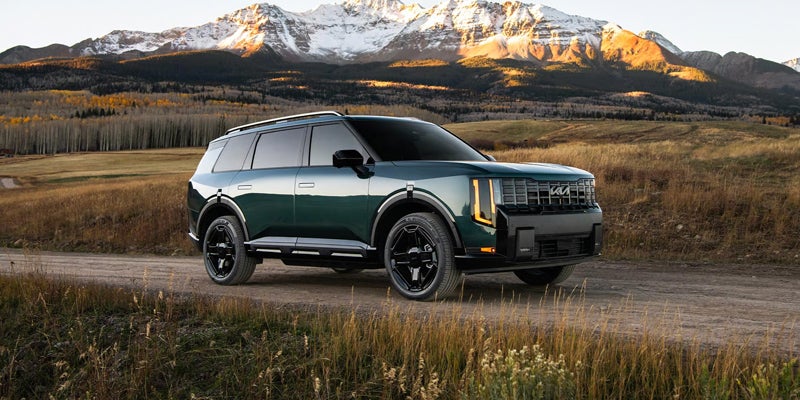
The all-new 2027 Kia Telluride gives SUV shoppers two distinct powertrain options: a turbocharged gasoline engine and the first-ever Telluride Turbo-Hybrid. When comparing the 2027 Kia Telluride gas vs. hybrid, the biggest differences involve fuel economy, horsepower, driving range, and towing capability. The gas-powered Telluride can tow up to 5,000 pounds when properly equipped, while the hybrid delivers up to an EPA-estimated 35 MPG combined and 329 horsepower. Both offer the comfort and versatility families expect from a three-row SUV. Shop New Kia Tellurides Schedule a Test Drive For drivers around Auburn, Kent, Federal Way, and Renton, choosing the right Telluride depends on everyday driving habits. Whether you're commuting along Highway 167, transporting your family to school and activities, or heading out for weekend adventures throughout Western Washington, each powertrain offers different advantages. Understanding those differences can help you decide which 2027 Telluride better fits your lifestyle. 2027 Kia Telluride Gas vs. Hybrid: Key Differences at a Glance Both versions of the 2027 Telluride use a turbocharged 2.5-liter engine, but the hybrid adds electric motors and a hybrid battery to improve efficiency and increase total system output. Here's how the two powertrains compare. Feature 2027 Telluride Gas 2027 Telluride Hybrid Powertrain 2.5L turbocharged 4-cylinder 2.5L turbocharged hybrid Horsepower 274 hp 329 hp combined Torque 311 lb-ft 339 lb-ft combined Transmission 8-speed automatic 6-speed automatic EPA-Estimated FWD MPG 22 combined Up to 35 combined EPA-Estimated AWD MPG 19-20 combined 31 combined Maximum Towing Capacity 5,000 lbs 4,500 lbs Maximum EPA-Estimated Range Varies by configuration Up to 637 miles (EX FWD) Passenger Seating Seven or eight, depending on trim Seven Drivetrain Options FWD or AWD, depending on trim FWD or AWD, depending on trim Plug-In Charging Required No No Figures are based on Kia's published 2027 model specifications. Fuel economy varies by trim and drivetrain. Maximum towing requires appropriate equipment. Actual mileage and range will vary. The hybrid's higher horsepower and fuel economy make it particularly interesting for drivers who spend considerable time commuting. However, the gasoline version may be more appealing to shoppers looking for additional towing capability, eight-passenger seating, or the rugged X-Pro trim configuration. Engine Performance: Is the 2027 Telluride Hybrid More Powerful? Yes. One of the more interesting aspects of the 2027 Telluride is that choosing the hybrid doesn't mean sacrificing engine performance. In fact, the hybrid produces more horsepower and torque than the gas-powered model. 2027 Kia Telluride Gas Engine Performance The gasoline-powered Telluride features a 2.5-liter turbocharged four-cylinder engine producing 274 horsepower and 311 lb-ft of torque. It pairs with an eight-speed automatic transmission and offers front-wheel drive or all-wheel drive, depending on trim. This powertrain is designed to provide confident everyday acceleration, highway merging, and family transportation. For shoppers who prefer a conventional gasoline SUV, it offers a straightforward ownership experience without hybrid-specific components. 2027 Kia Telluride Hybrid Engine Performance The Telluride Hybrid combines a 2.5-liter turbocharged gasoline engine with electric motors and a lithium-ion battery. Together, the system produces 329 horsepower and 339 lb-ft of torque. The hybrid uses a six-speed automatic transmission and can rely on electric motor assistance during acceleration. That additional electric torque can be particularly useful when pulling away from a stop or navigating city traffic. Drivers comparing the two should pay attention to throttle response, acceleration smoothness, and overall comfort during a test drive. While the hybrid offers greater rated output, the driving experience also depends on the vehicle's weight, drivetrain, and suspension configuration. Fuel Economy: How Much More Efficient Is the Telluride Hybrid? Fuel economy is one of the biggest reasons to consider the 2027 Kia Telluride Hybrid, especially for drivers with regular commutes between Auburn, Kent, Federal Way, and Renton. The gasoline-powered Telluride earns an EPA-estimated 22 MPG combined in front-wheel-drive configurations. Many all-wheel-drive gas models are rated at 20 MPG combined, while the more rugged X-Pro models are rated at 19 MPG combined. The hybrid delivers a substantial efficiency improvement. The Telluride Hybrid EX FWD earns an EPA-estimated 35 MPG combined, while the SX FWD is rated at 33 MPG combined. All-wheel-drive hybrid configurations are rated at 31 MPG combined. Quick Comparison: Telluride Gas vs. Hybrid MPG Gas Telluride: Up to an EPA-estimated 22 MPG combined. Hybrid Telluride: Up to an EPA-estimated 35 MPG combined. For drivers covering thousands of miles each year, the hybrid's higher MPG rating can reduce fuel consumption and the frequency of gas station visits. Actual savings depend on mileage, fuel prices, driving conditions, and the specific trims being compared. Drivers who spend a significant amount of time in stop-and-go traffic may particularly appreciate the hybrid system. Regenerative braking captures some of the energy normally lost during deceleration and uses it to recharge the hybrid battery. Electric motor assistance can also reduce how much work the gasoline engine needs to perform in certain driving situations. For families frequently traveling along Highway 167 or making regular trips throughout the South Sound, that efficiency advantage is an important consideration. Driving Range: Which 2027 Telluride Goes Farther Between Fill-Ups? The Telluride Hybrid also offers an advantage in estimated driving range. The EX FWD hybrid has an EPA-estimated total driving range of up to 637 miles on a full tank. That range is possible because the hybrid combines a highly efficient powertrain with an 18.2-gallon fuel tank. It is important to remember that the 637-mile estimate applies specifically to the EX FWD configuration, not every hybrid Telluride. The gas-powered Telluride has a 19-gallon fuel tank, but its lower MPG ratings mean drivers should generally expect to refuel more frequently under comparable conditions. Exact range depends on the trim, drivetrain, fuel consumption, and driving habits. For families heading out on longer trips across Washington, fewer fuel stops can make the Telluride Hybrid especially appealing. However, both vehicles use conventional gasoline fueling infrastructure. Do You Have to Plug In the 2027 Kia Telluride Hybrid? No. The Telluride Hybrid is a conventional hybrid electric vehicle, not a plug-in hybrid. It automatically recharges its battery through regenerative braking and operation of the gasoline engine. That means drivers can enjoy improved fuel economy without installing a home charging station or planning trips around public charging locations. Towing Capability: Telluride Gas vs. Hybrid Towing is one area where the gasoline-powered 2027 Telluride has an advantage over the hybrid. When properly equipped, the gas model can tow up to 5,000 pounds, compared with the hybrid's maximum towing capacity of 4,500 pounds. That 500-pound difference may be important for drivers planning to tow a small camper, utility trailer, or recreational equipment on weekend trips. When the Gas Telluride May Be Better for Towing Drivers who frequently tow heavier loads may appreciate the gasoline model's higher maximum rating. Its available X-Pro configuration also adds equipment intended for more demanding driving conditions, including all-terrain tires and increased ground clearance. However, buyers should evaluate more than the maximum tow rating. Trailer weight, tongue weight, passengers, cargo, and the vehicle's payload limits all matter when determining whether a particular Telluride can safely handle a trailer. Can the Telluride Hybrid Still Tow? Absolutely. The Telluride Hybrid's maximum 4,500-pound towing capacity is still useful for many recreational activities. Kia also offers a tow hitch and self-leveling rear suspension equipment, depending on configuration. For someone who tows occasionally but spends most of the year commuting and transporting family members, the hybrid may offer a practical balance of capability and everyday fuel efficiency. Always consult the owner's manual and verify the exact vehicle's towing equipment, weight ratings, and applicable requirements before towing. Thinking About a New Kia Telluride? Compare available Telluride models at Sunset Kia of Auburn, explore gas and hybrid configurations, and find an SUV that fits your family's driving needs. View Telluride Inventory Explore Telluride Hybrid Features Interior Space and Family Practicality: Does the Hybrid Lose Cargo Room? Both versions of the 2027 Kia Telluride are designed around three-row family transportation, but there are a few differences worth considering when comparing interior space. The gas-powered Telluride offers seven- or eight-passenger seating, depending on trim. Eight-passenger configurations use a second-row bench seat, while seven-passenger models feature captain's chairs. The Telluride Hybrid is configured for seven passengers. Families who regularly need eight seats should therefore consider the gas-powered model. Both offer flexible cargo areas, although the hybrid's packaging creates a small difference in maximum cargo measurements. The gas-powered Telluride provides up to 22.3 cubic feet behind the third row, compared with 21.3 cubic feet in the hybrid. With the rear seating rows folded, the gas version offers up to 89.3 cubic feet of cargo space, while the hybrid provides up to 88.3 cubic feet. For most families, that difference is relatively small. The more important consideration may be passenger seating configuration, how frequently you use the third row, and the amount of equipment you regularly carry. Technology, Comfort, and Everyday Driving Features The 2027 Telluride introduces an updated interior with modern displays, available comfort features, and driver-assistance technology across its lineup. Depending on trim, shoppers can explore features such as large digital displays, navigation, heated and ventilated seating, available second-row comfort upgrades, and technology designed to help make daily travel more convenient. The hybrid also features Kia's Electrification-Vehicle Motion Control system, which uses electric motor and braking control to support vehicle handling and stability. Shoppers interested in additional off-pavement equipment should pay particular attention to the gas-powered X-Pro trims, which offer specialized features such as all-terrain tires, an electronic limited-slip differential, and increased ground clearance. Whether your priorities involve family comfort, advanced technology, or weekend recreation, it's worth comparing the exact trim and equipment packages rather than choosing solely by powertrain. Which Telluride Is Better for Driving Around Auburn, Kent, Federal Way, and Renton? The right powertrain depends heavily on where and how you spend most of your time behind the wheel. For Daily Commuting Around Auburn and Kent Drivers frequently commuting along Highway 167 or navigating local stop-and-go traffic may appreciate the Telluride Hybrid's improved fuel economy and electric motor assistance. The hybrid is particularly appealing when reducing fuel consumption is a major ownership priority. For Families in Federal Way Both powertrains offer the space and versatility expected from a three-row SUV. Families who regularly need eight-passenger seating may prefer a gas-powered Telluride with the appropriate second-row bench configuration. Those who prioritize fuel efficiency and need seven seats may find the hybrid more appealing. For Highway Travel Around Renton Drivers traveling between Renton, Auburn, and other parts of the region can benefit from the hybrid's higher MPG ratings and longer estimated range. The gas model remains a capable alternative for buyers who prefer its available trim configurations and towing capability. For Weekend Trips Across Western Washington Families planning trips to the coast, mountain destinations, or nearby recreation areas should consider both passenger comfort and cargo needs. The hybrid can help reduce fuel stops on longer drives, while the gas model offers greater maximum towing capacity and the available X-Pro off-road equipment. Is the 2027 Kia Telluride Gas or Hybrid the Better Choice? There isn't one powertrain that makes sense for every Telluride shopper. Each offers advantages depending on your priorities. Consider the Gas-Powered 2027 Telluride If You: Want up to 5,000 pounds of towing capability when properly equipped. Need the option of eight-passenger seating. Prefer a conventional turbocharged gasoline powertrain. Are interested in available X-Pro off-road-oriented equipment. Place greater importance on trim selection and towing than achieving the highest possible MPG rating. Consider the 2027 Telluride Hybrid If You: Want to reduce fuel consumption during regular commuting. Prefer the higher combined horsepower and torque of the hybrid powertrain. Value fewer stops at the gas station during longer trips. Need a versatile seven-passenger SUV with available all-wheel drive. Want hybrid fuel efficiency without plugging in or using charging stations. Both versions bring meaningful improvements to the 2027 Telluride lineup. For many shoppers, the most helpful next step is to compare available models and test drive the configurations they're considering. Frequently Asked Questions About the 2027 Kia Telluride Gas and Hybrid Does the 2027 Kia Telluride Hybrid get better gas mileage than the gas model? Yes. The 2027 Telluride Hybrid EX FWD earns an EPA-estimated 35 MPG combined, compared with 22 MPG combined for front-wheel-drive gas models. AWD hybrid models are rated at 31 MPG combined, while gas AWD models are generally rated at 19 or 20 MPG combined, depending on configuration. Is the 2027 Kia Telluride Hybrid more powerful than the gas version? Yes. The hybrid produces a combined 329 horsepower and 339 lb-ft of torque. The gasoline-powered Telluride produces 274 horsepower and 311 lb-ft of torque. Can the 2027 Telluride Hybrid tow as much as the gas model? No. The gas-powered Telluride has a maximum towing capacity of 5,000 pounds, while the hybrid is rated to tow up to 4,500 pounds. Proper equipment is required, and drivers should verify the exact vehicle's towing and payload limits before hauling a trailer. Does the Kia Telluride Hybrid need to be plugged in? No. The 2027 Telluride Hybrid charges its battery using regenerative braking and its gasoline engine. It does not require a charging station or external electrical connection. How far can the 2027 Kia Telluride Hybrid drive on a full tank? The 2027 Telluride Hybrid EX FWD has an EPA-estimated total driving range of up to 637 miles. Actual range varies based on trim, drivetrain, driving conditions, temperature, and vehicle usage. Where can I shop for a 2027 Kia Telluride Hybrid near Auburn, WA? Sunset Kia of Auburn serves shoppers from Auburn, Kent, Federal Way, Renton, and surrounding communities. You can browse available Kia Telluride inventory or explore 2027 Telluride Hybrid features online. Contact the dealership to confirm current hybrid availability. Explore the 2027 Kia Telluride at Sunset Kia of Auburn Whether the gas-powered Telluride's towing capability appeals to you or you're interested in the hybrid's combination of horsepower and efficiency, Sunset Kia of Auburn can help you explore your options. Browse our new Kia Telluride inventory to compare available vehicles, trims, features, and pricing. You can also learn more about the redesigned 2027 Kia Telluride or explore our Kia hybrid and electric inventory if fuel efficiency is one of your priorities. Qualifying new and pre-owned vehicles at Sunset Kia of Auburn may also include exclusive ownership benefits such as Warranty Protection for Life and Oil Changes for Life. Eligibility requirements, exclusions, and program terms apply, so ask the dealership about the benefits available with your specific vehicle. Visit Sunset Kia of Auburn to compare available Telluride configurations and find the three-row SUV that fits your family's transportation needs. Find Your Next Kia Telluride in Auburn, WA Ready to compare the 2027 Telluride gas and hybrid models? Explore available inventory or arrange a test drive with Sunset Kia of Auburn. Shop Kia Telluride Inventory Schedule Your Test Drive Sunset Kia of Auburn 3401 Auburn Way North Auburn, WA 98002 Sales: 253-264-3152 Vehicle specifications, features, trim availability, and equipment are subject to change. EPA-estimated fuel economy and driving range vary by configuration; actual results depend on driving habits, weather, vehicle condition, and other factors. Towing requires appropriate equipment and compliance with vehicle weight ratings. Not all features are available on all trims. Inventory and ownership benefit eligibility are subject to dealership confirmation. Consult Kia's official specifications and the owner's manual for details.

2027 Kia Sportage

Inside the 2027 Kia Sportage Hybrid: Rear-Seat Space, Cargo Flexibility, Climate Controls, and Cabin Technology

The right SUV interior should accommodate your daily routine without requiring constant rearranging. That might mean space for a rear-facing child seat, an accessible place to charge a phone, or enough cargo room for a stroller and groceries at the same time. The 2027 Kia Sportage Hybrid interior offers a useful starting point with reclining rear seats, flexible cargo arrangements, and available comfort upgrades. At Sunset Kia of Auburn, walk through the cabin from front to back and try the features with your own passengers and gear in mind. Start With Your Driving Position and Displays The Sportage Hybrid includes a 12.3-inch touchscreen with wireless Apple CarPlay and Android Auto compatibility. An available 12.3-inch digital instrument cluster expands the display setup, while built-in navigation availability depends on equipment. Before evaluating the screens, adjust your seat and steering wheel. Check whether you can read driving information comfortably and reach the touchscreen without leaning forward. Then connect your compatible phone. Open your preferred navigation app, choose some music, and try returning to the main screen. Smartphone functions require compatible devices, and certain apps need mobile data or separate subscriptions. Consider the smaller details, too. Place your usual water bottle in the cupholder, check where your phone rests, and see whether a passenger can access storage without interfering with the driver. Learn the Climate Controls While Parked Dual-zone automatic climate control lets the driver and front passenger select different temperatures. Rear climate vents help direct airflow toward second-row passengers. The multifunction control panel beneath the touchscreen switches between audio and climate functions. Ask your consultant to demonstrate that switch, then adjust the temperature, fan speed, and windshield defrost yourself. Pay attention to which mode is active before turning a knob. Heated seats, ventilated seats, and other comfort equipment vary by trim. Try the controls on the specific Sportage Hybrid you’re considering rather than assuming every vehicle has the same setup. Check Rear-Seat Comfort With the Front Seats in Use The second row offers reclining seatbacks and a 60/40 split-folding arrangement. Adjust the seatback angle and check knee room, foot space, and headroom with the front seats positioned for the people who will normally use them. For households with children, bring your actual child seat. Check access to the appropriate anchors, follow both installation manuals, and confirm that the front passenger still has a comfortable seating position once the child seat is properly installed. If you regularly carry adults, have someone sit in the rear during your visit. A legroom measurement cannot tell you whether the seat cushion, doorway, or headroom feels comfortable to that person. Locate Charging Ports Before Choosing a Trim USB-C charging connections support everyday device use, while additional seatback-mounted ports and wireless phone charging depend on equipment. Bring your charging cable and check the port locations in the vehicle you’re considering. Can rear passengers reach a connection easily? Will the cable cross a cupholder or stretch across someone’s legs? If equipped with wireless charging, test your compatible phone with its usual case. Phone placement and case design can affect charging, so a quick demonstration is more useful than simply confirming that a charging pad is present. Load the Cargo Area the Way You Actually Use It Kia lists up to 39.5 cubic feet behind the rear seats and 73.7 cubic feet with them folded, measured with the dual-level cargo floor in its lower position. The split rear seat lets you fold one section while retaining seating on the other side. Bring a stroller, sports bag, or another item you routinely carry. Load it with the rear seats upright first. Check the opening width, loading height, and remaining room for groceries or backpacks. Ask how the cargo floor positions change the loading surface. Then fold a seat section and check whether the resulting arrangement works for your longer items. An available Smart Power Liftgate adds convenience when your hands are full. If equipped, ask for a demonstration of its opening-height adjustment and Smart Key operation, especially if you park in a garage with limited overhead clearance. Bring a Short Cabin Checklist Fit your child seat and recheck front-passenger comfort. Load your stroller with the rear seats upright. Try the rear-seat recline and split-folding controls. Connect your phone and locate passenger charging ports. Switch between audio and climate controls while parked. Confirm the exact display, seating, and liftgate equipment. Explore hybrid and electric inventory at Sunset Kia of Auburn to identify vehicles worth comparing. Then schedule a test drive and bring the everyday items that will help you decide which Kia Sportage Hybrid features make a practical difference.